



Blog / Car Tips

Blog

All Car Tips New Inventory Seminole Chevrolet Dealer Social 2025 Chevy Lineup Local Chevy SUVs Chevy Trucks Service Seminole Buick Dealer Pre-Owned Inventory Seminole Chevrolet Buick GMC Service Chevrolet Safety Features New GMC SUV Used Cars 2025 Chevrolet Trax 2025 GMC Lineup 2026 Chevrolet Silverado 1500 2026 Chevy Traverse Community Events Finance GMC Lineup Silverado Towing 2025 Chevrolet Equinox 2025 Chevy Tahoe 2026 Chevrolet Colorado Chevy Colorado Chevy EVs Chevy Safety Features Chevy Summer Service Chevy Tahoe GM Certified Pre-owned GMC Trucks Seminole Used Cars Silverado Max Trailering Silverado Trailering Trade in Values 2024 Chevrolet Silverado 2025 Chevrolet Malibu 2025 Chevrolet Silverado 1500 2025 Chevrolet Suburban 2025 Chevy Blazer 2025 Chevy Blazer EV 2025 Chevy Colorado 2025 Chevy Silverado EV 2025 Equinox 2025 GMC Acadia 2025 GMC Canyon 2025 GMC Sierra 2026 Chevrolet Blazer 2026 Chevrolet Trailblazer Chevrolet Oil Change Chevrolet Summer Service Chevy Sedans Chevy Suburban GMC Pro Safety GMC Pro Safety Plus GMC Safety Features GMC Sierra EV GMC Terrain News Seminole Buick Service Seminole Chevrolet GMC Sierra Towing Sierra Trailering Used Car Values
Chevy AC Service

Expert Chevy AC Service in Seminole, Oklahoma

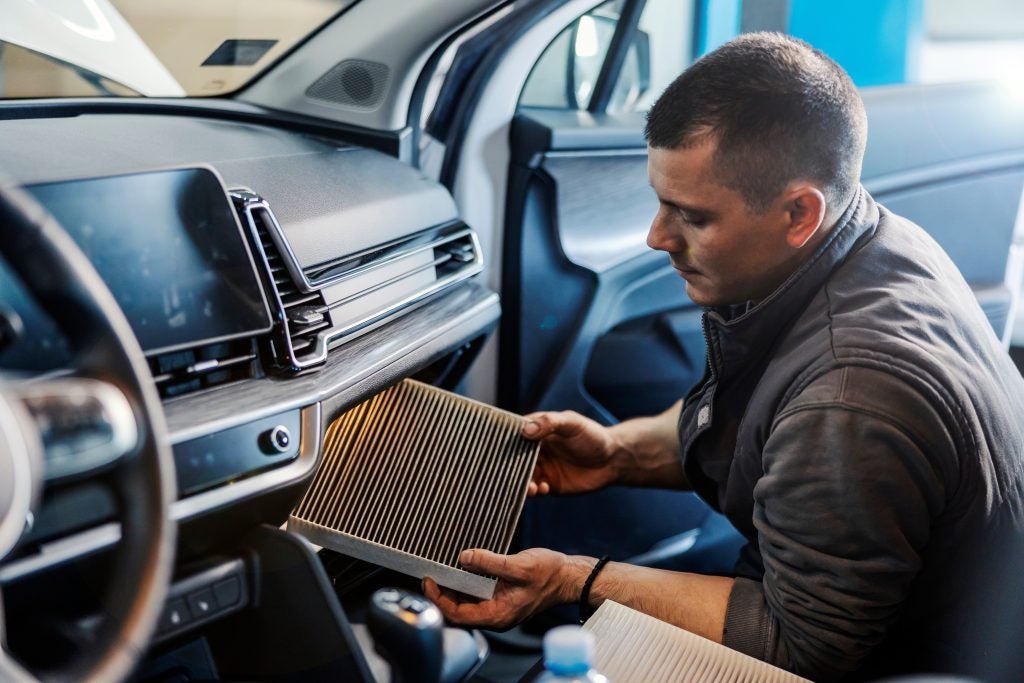
Why Regular Chevy AC Service Matters When it comes to maintaining your vehicle’s comfort and functionality, regular Chevy AC service is essential. Over time, your car’s air conditioning system can lose efficiency due to wear and tear, refrigerant leaks, or clogged filters. For drivers in Seminole, Oklahoma, where summers can be scorching, a properly functioning AC system is not just a luxury—it’s a necessity. Chevrolet vehicles are known for their dependability, but even the best systems require occasional maintenance. Ignoring signs like weak airflow or unusual noises can lead to more extensive—and expensive—car AC repairs for your Chevrolet. Regular service ensures that your AC system operates at peak performance, keeping you cool and comfortable on every drive. more Common Issues Requiring Car AC Repair for Chevrolet Vehicles Chevrolet’s advanced engineering makes its vehicles reliable, but no system is immune to occasional issues. Some common problems that may require car AC repair for Chevrolet models include: - Refrigerant Leaks: Over time, seals and hoses can wear out, causing refrigerant to escape and reducing cooling efficiency. - Compressor Failures: The compressor is the heart of your AC system. If it malfunctions, the entire system may stop working. - Clogged Filters: Dirty or clogged cabin air filters can restrict airflow and reduce cooling performance. - Electrical Issues: Faulty wiring or blown fuses can disrupt the operation of your AC system. If you’re experiencing any of these issues, it’s crucial to address them promptly with professional Chevy AC service in Seminole, Oklahoma. Certified technicians have the expertise to diagnose and resolve these problems efficiently. Benefits of Choosing Certified Chevy AC Service When it comes to your Chevrolet, you deserve nothing but the best care. Certified Chevy AC service offers several advantages over generic repair shops: - Expert Technicians: Certified technicians are trained specifically on Chevrolet models, ensuring accurate diagnostics and repairs. - OEM Parts: Using genuine Chevrolet parts guarantees compatibility and longevity for your vehicle’s AC system. - Advanced Diagnostics: Dealerships like Seminole Chevrolet use state-of-the-art equipment to identify issues quickly and accurately. - Warranty Protection: Certified service helps maintain your vehicle’s warranty, giving you peace of mind. For Seminole drivers, trusting certified professionals for Chevy AC service ensures that your vehicle remains in top condition while avoiding unnecessary expenses down the road. How to Know When You Need Chevy AC Service Recognizing the signs of a failing AC system can save you from discomfort and costly repairs. Here are some indicators that it’s time to schedule Chevy AC service: - Weak or No Airflow: If your vents are barely blowing air, it could be due to a clogged filter or failing blower motor. - Unusual Noises: Grinding or squealing sounds may indicate a problem with the compressor or fan. - Foul Odors: Musty smells from your vents could mean mold or mildew buildup in the system. - Inconsistent Cooling: If your AC blows warm air intermittently, there may be a refrigerant leak or electrical issue. Don’t wait until these problems worsen—addressing them early with professional car AC repair for your Chevrolet can save you time and money. Stay Cool with Chevy AC Service in Seminole, OK At Seminole Chevrolet, we understand how important a reliable air conditioning system is for your comfort and safety. Our certified technicians specialize in Chevy AC service and car AC repair for Chevrolet vehicles, ensuring that every component of your system is functioning optimally. Whether you need a simple refrigerant recharge or a complete system overhaul, we’ve got you covered. Drivers throughout Seminole, OK, trust us for our expertise and commitment to quality service. Schedule your Chevy AC service today and experience the difference that certified care can make!

Chevy Tire Replacement

Chevy Tire Replacement Guide for Seminole, OK Drivers

Why Regular Tire Maintenance Matters Tires are the unsung heroes of your vehicle, ensuring safety, optimal performance, and even fuel efficiency. For Chevy owners in Seminole, Oklahoma, understanding when and how to replace your tires is essential. Proper tire maintenance not only extends the life of your vehicle but also enhances your driving experience. Whether you frequently navigate city streets or rocky rural roads, keeping your tires in top condition is non-negotiable. more Signs It's Time for a Tire Replacement Tread Wear and Depth One of the most critical indicators that you need a Chevy tire replacement is tread wear. Tires with less than 2/32 of an inch of tread depth are considered unsafe. Uneven wear patterns can also signal alignment or suspension issues. Regularly checking your tread depth with a tread depth gauge, or even a penny test, ensures you're driving safely, especially on wet or slippery roads common in Seminole, Oklahoma. Cracks and Bulges Over time, tires can develop cracks or bulges due to age, exposure to extreme temperatures, or road hazards. These imperfections such as bald spots, sidewall blisters and bulges, or deep cracks, compromise the tire's structural integrity and increase the risk of blowouts. If you notice any visible damage, schedule a tire service in Seminole, Oklahoma immediately to avoid potential accidents. Frequent Air Loss If you're frequently refilling your tires with air, it might be time for a replacement. Persistent air loss can indicate a puncture, valve stem issue, or general tire degradation. Addressing this promptly ensures optimal performance and fuel efficiency for your Chevy vehicle. Choosing the Right Tires for Your Chevy Match Your Driving Needs Chevy offers a range of vehicles, from rugged trucks like the Silverado to family-friendly SUVs like the Equinox. Selecting the right tires depends on your driving habits and the local terrain. For instance, all-season tires are ideal for year-round use, while winter tires provide extra grip during colder months. OEM Recommendations Always refer to Chevrolet's Original Equipment Manufacturer (OEM) recommendations when selecting new tires. These guidelines ensure compatibility and performance tailored to your specific model. Whether you drive a Chevy Bolt EV or a Tahoe, following OEM specs guarantees the best results. The Importance of Professional Tire Service in Seminole, OK While some drivers may attempt DIY tire replacements, professional service ensures accuracy and safety. Certified technicians at Seminole Chevrolet use advanced tools to mount and balance tires correctly. They also inspect related components like brakes and suspension to ensure your vehicle operates at peak performance.

Chevy Tire Service in Seminole, OK

The Importance of Chevrolet Tire Service in Seminole, OK

Ensuring your vehicle is in top condition involves more than routine oil changes or brake inspections. One vital yet often overlooked aspect of car maintenance is tire care. Chevrolet tire service is essential to maintaining your vehicle's safety, performance, and efficiency—especially for drivers in Seminole, OK, who may face varying road conditions and weather. more Why Chevrolet Tire Service Matters Tires are your vehicle’s only contact point with the road, making their care crucial. Regular Chevrolet tire service ensures your tires wear evenly, maintain proper traction, and deliver optimal handling. Whether you drive a Chevrolet Silverado for heavy-duty tasks or an Equinox for family trips, tire maintenance directly impacts your driving experience. During a Chevrolet tire service at Seminole Chevrolet, technicians inspect tire tread depth, check for uneven wear, and ensure proper alignment and rotation. These services not only extend tire life but also improve your vehicle's fuel economy—a benefit every driver can appreciate. Key Benefits of Regular Tire Maintenance Safety First Worn or improperly inflated tires can compromise your vehicle’s ability to grip the road, especially during wet or icy conditions. Chevrolet tire service includes checks for cracks, punctures, and tread wear to ensure your tires are road-ready. For drivers in Seminole, OK, where unpredictable weather can occur, this is particularly important. Enhanced Performance A smooth ride depends on well-maintained tires. Chevrolet models like the Traverse or Camaro are engineered for performance, and keeping your tires in top shape ensures you experience the ride quality they’re designed to deliver. With regular tire rotations and balancing, you’ll enjoy responsive handling and reduced vibration. Cost Savings Over Time Replacing tires prematurely due to neglect can be costly. Regular Chevrolet tire service helps you get the most out of your investment by extending the life of your tires. Additionally, properly inflated and balanced tires reduce fuel consumption, saving you money at the pump. When to Schedule Chevrolet Tire Service Recognizing when your tires need attention is key. If you notice uneven wear, decreased traction, or your vehicle pulling to one side, it’s time for a check-up. Chevrolet recommends tire rotation every 7,500 miles or as specified in your owner’s manual. However, local factors like Seminole, OK’s roads and climate can influence these intervals. At Seminole Chevrolet, certified technicians are equipped to handle all your tire needs, from rotations and balancing to alignments and replacements. They use Chevrolet-approved tools and procedures to ensure your vehicle meets factory standards. Trust Seminole Chevrolet for Expert Tire Care Choosing where to service your Chevrolet is as important as the service itself. At Seminole Chevrolet, you’ll find a team of trained professionals dedicated to keeping your vehicle safe and performing at its best. Conveniently located in Seminole, OK, the dealership offers comprehensive Chevrolet tire service tailored to your specific model. Chevrolet tire service is more than routine maintenance; it’s a commitment to your safety, vehicle performance, and cost savings. For drivers in Seminole, OK, regular tire checks and maintenance are crucial for navigating local roads with confidence. Visit Seminole Chevrolet today to ensure your tires—and your vehicle—are ready for the journey ahead.

Certified Chevy Brake Service

Chevy Certified Brake Service at Seminole Chevrolet

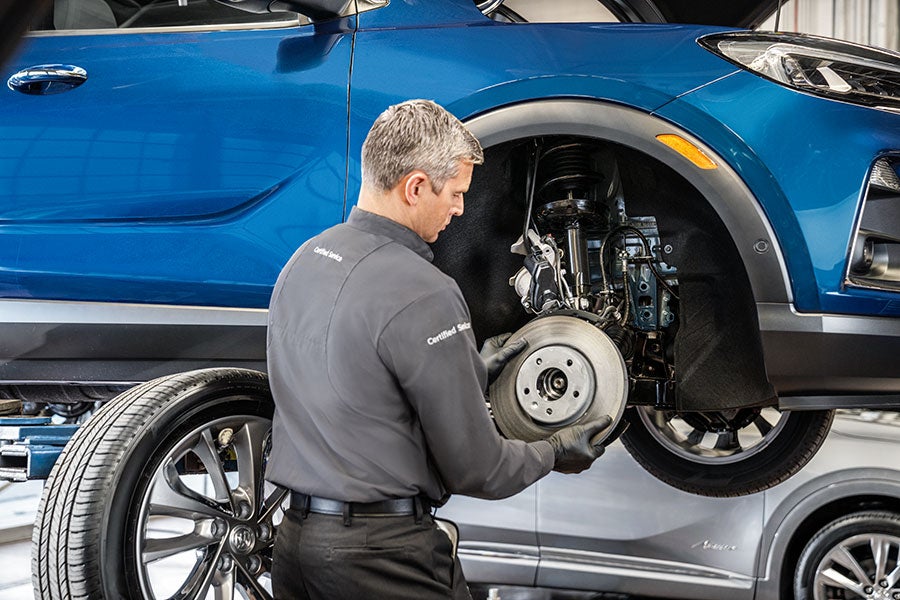
Brakes are the one system you don’t want to “get by” with. When they feel right, you barely think about them. When something is off, you notice fast, usually at the worst time: a sudden slow-down, a tight turn into a parking lot, or a quick stop on a busy road. At Seminole Chevrolet, our Certified Service experts focus on keeping your Chevrolet’s braking system working the way it was designed to work. That means looking beyond a quick pad swap mentality. It’s about consistent stopping power, predictable pedal feel, and parts and procedures that make sense for your exact vehicle. If you’re already hearing a noise or feeling something unusual, start here: brake service and repair. more Brake service for Seminole area driving Driving around Seminole and the surrounding area can be a mix of everyday errands, school pick-ups, and stop-and-go stretches where brakes do a lot of work. Add in heat, sudden weather changes, and the way Oklahoma roads can vary from smooth to rough in a single trip, and it’s easy to see why brakes wear in different ways for different drivers. That’s one reason we take a full-system approach. Stopping power depends on more than just friction material. It’s the whole braking system working together, and regular service helps keep that system ready. Brake warning signs worth taking seriously A lot of brake issues start small. The problem is they rarely stay small. Here are common signs your Chevrolet may need brake service: Chirping, squealing, or whistling when braking Shaking or vibration when stopping Grinding sounds that get worse the longer you wait Those symptoms don’t automatically tell you what part needs attention, but they do tell you it’s time for an inspection. When you catch wear early, you often have more options and a smoother repair experience. What a certified brake visit can include Brake service isn’t always a single repair. Depending on what we find, the visit may focus on inspection, maintenance, or component replacement. Our Certified Service approach is built around careful checks and clear next steps. During a visit, we may evaluate braking components, look for uneven wear, and confirm everything is operating properly and as designed. If you like the idea of your brakes being checked as part of a broader health snapshot, our team also offers a multi-point inspection process that includes brakes among other key items. You can learn more through our Service Department. Brake pad monitoring and what your vehicle may tell you Some Chevrolet vehicles are designed to help you spot brake wear before it becomes a bigger issue. Your vehicle may be equipped with Brake Wear Indicators, and some models may also have a Brake Pad Life Monitor that uses sensors to estimate brake pad wear. When it’s time, you’ll get a prompt that service is needed. Even with monitors, it’s still smart to pay attention to feel and sound. Warning signs like squealing or shaking are your vehicle’s way of asking for a closer look. Why quality brake components matter You’re not just buying “brakes.” You’re buying confidence every time you slow down. When it’s time for replacement components, our Certified Service experts can help you choose quality parts intended to keep your braking system in optimal condition. We work with GM Genuine Parts and ACDelco parts, which are described as the only Original Equipment and aftermarket parts backed by General Motors. That matters because braking is a system. Fit, consistency, and component compatibility can influence noise, feel, and long-term performance. We aim for a result that feels right after the first drive, not something that needs a second visit to chase down. When it makes sense to schedule brake service If you’re the type who prefers clear triggers, here are a few good reasons to set an appointment: You’re noticing any of the warning signs above Your vehicle indicates brake service is needed You’re about to take a longer drive and want peace of mind Brakes feel different than they used to, even if you can’t describe it perfectly You don’t need the perfect explanation. “It feels off” is enough. We’ll take it from there. Schedule Chevy Certified brake service at Seminole Chevrolet If you want your braking system inspected and serviced by Certified Service experts, we make scheduling straightforward. Start with schedule service online Prefer to read through brake-specific info first? Visit brake service and repair If you like checking for current service promotions before you book, take a look at service offers When you schedule, add a quick note about what you’re noticing (noise, vibration, soft pedal feel, or warning message). That small detail helps our team prepare for a more efficient visit.

Chevy Suburban

The Difference Between FWD, AWD, RWD, and 4x4 in Your New Chevy

Friday, 16 August, 2024 Understanding the Difference Between FWD, AWD, RWD, and 4x4 in Your New Chevy When shopping for a new Chevy, understanding the differences between various drivetrain options can help you choose the perfect vehicle for your needs. Whether you’re considering a family SUV, a powerful truck, or a sporty sedan, knowing whether to go with Front-Wheel Drive (FWD), All-Wheel Drive (AWD), Rear-Wheel Drive (RWD), or 4x4 can make all the difference in your driving experience. Front-Wheel Drive (FWD) Front-Wheel Drive is one of the most common drivetrain configurations, particularly in sedans, crossovers, and some SUVs. In a FWD vehicle, the engine's power is directed to the front wheels. This setup offers several advantages: Efficiency: FWD vehicles tend to be more fuel-efficient, as they are typically lighter and have fewer mechanical components than other drivetrains. Traction: FWD provides better traction when driving on wet or slippery roads because the weight of the engine sits over the front wheels, improving grip. Cost-Effective: Vehicles with FWD are generally less expensive to manufacture, which often translates to a lower purchase price. However, FWD may not perform as well in off-road conditions or under heavy loads, making it more suitable for daily commuting and light-duty use. All-Wheel Drive (AWD) All-Wheel Drive is a versatile option that provides power to all four wheels, either full-time or on-demand. This system is popular in a wide range of vehicles, from compact SUVs to performance cars. Key benefits include: Enhanced Traction: AWD improves traction on various surfaces, including wet, icy, or unpaved roads, making it a great choice for drivers who encounter diverse driving conditions. Balanced Handling: AWD offers balanced handling and stability, which is especially beneficial in adverse weather conditions or when navigating winding roads. Convenience: Modern AWD systems automatically adjust the distribution of power between the front and rear wheels, so drivers don’t need to engage or disengage the system manually. While AWD improves safety and handling, it usually comes at a higher cost and may slightly reduce fuel efficiency compared to FWD. Rear-Wheel Drive (RWD) Rear-Wheel Drive is traditionally found in sports cars, trucks, and larger SUVs. In a RWD vehicle, the engine sends power to the rear wheels, providing a distinct driving experience: Performance: RWD is favored for its superior handling and acceleration, especially in performance-oriented vehicles. It offers a more dynamic driving experience, with better balance and weight distribution. Towing and Hauling: RWD is ideal for vehicles that need to tow or carry heavy loads, as it provides better traction under heavy loads compared to FWD. Durability: RWD systems are generally more robust, making them well-suited for work trucks and vehicles that endure rough driving conditions. However, RWD may not perform as well in slippery or icy conditions, making it less ideal for regions with harsh winters. 4x4 (Four-Wheel Drive) Four-Wheel Drive, commonly referred to as 4x4, is specifically designed for off-road driving and heavy-duty use. Unlike AWD, which is generally automatic, 4x4 systems often require the driver to engage the system manually: Off-Road Capability: 4x4 systems are engineered for rugged terrain, offering superior traction in mud, snow, sand, and rocky landscapes. Heavy-Duty Performance: If you need to tow a heavy trailer, haul equipment, or venture into off-road environments, 4x4 is the best option. Control: Many 4x4 vehicles allow drivers to choose between different modes, such as 2WD, 4WD High, and 4WD Low, giving you more control based on the driving conditions. The trade-off for these benefits is that 4x4 vehicles can be heavier, less fuel-efficient, and more expensive than their AWD or FWD counterparts. ​Which Drivetrain is Right for You? Choosing between FWD, AWD, RWD, and 4x4 depends on your driving needs, environment, and preferences. For daily commuting and cost-effective ownership, FWD may be your best bet. If you often face varying road conditions, AWD provides a balanced solution. RWD is the go-to for performance enthusiasts and those needing to tow or haul. For the ultimate off-road and heavy-duty capability, 4x4 is the clear winner. At our Chevy dealership, we offer a wide range of vehicles with each of these drivetrains. Visit us today to explore our inventory and find the perfect Chevy to match your lifestyle!

Understanding the Difference Between FWD, AWD, RWD, and 4x4 in Your New Chevy

When shopping for a new Chevy, understanding the differences between various drivetrain options can help you choose the perfect vehicle for your needs. Whether you’re considering a family SUV, a powerful truck, or a sporty sedan, knowing whether to go with Front-Wheel Drive (FWD), All-Wheel Drive (AWD), Rear-Wheel Drive (RWD), or 4x4 can make all the difference in your driving experience. Front-Wheel Drive (FWD) Front-Wheel Drive is one of the most common drivetrain configurations, particularly in sedans, crossovers, and some SUVs. In a FWD vehicle, the engine's power is directed to the front wheels. This setup offers several advantages: Efficiency: FWD vehicles tend to be more fuel-efficient, as they are typically lighter and have fewer mechanical components than other drivetrains. Traction: FWD provides better traction when driving on wet or slippery roads because the weight of the engine sits over the front wheels, improving grip. Cost-Effective: Vehicles with FWD are generally less expensive to manufacture, which often translates to a lower purchase price. However, FWD may not perform as well in off-road conditions or under heavy loads, making it more suitable for daily commuting and light-duty use. All-Wheel Drive (AWD) All-Wheel Drive is a versatile option that provides power to all four wheels, either full-time or on-demand. This system is popular in a wide range of vehicles, from compact SUVs to performance cars. Key benefits include: Enhanced Traction: AWD improves traction on various surfaces, including wet, icy, or unpaved roads, making it a great choice for drivers who encounter diverse driving conditions. Balanced Handling: AWD offers balanced handling and stability, which is especially beneficial in adverse weather conditions or when navigating winding roads. Convenience: Modern AWD systems automatically adjust the distribution of power between the front and rear wheels, so drivers don’t need to engage or disengage the system manually. While AWD improves safety and handling, it usually comes at a higher cost and may slightly reduce fuel efficiency compared to FWD. Rear-Wheel Drive (RWD) Rear-Wheel Drive is traditionally found in sports cars, trucks, and larger SUVs. In a RWD vehicle, the engine sends power to the rear wheels, providing a distinct driving experience: Performance: RWD is favored for its superior handling and acceleration, especially in performance-oriented vehicles. It offers a more dynamic driving experience, with better balance and weight distribution. Towing and Hauling: RWD is ideal for vehicles that need to tow or carry heavy loads, as it provides better traction under heavy loads compared to FWD. Durability: RWD systems are generally more robust, making them well-suited for work trucks and vehicles that endure rough driving conditions. However, RWD may not perform as well in slippery or icy conditions, making it less ideal for regions with harsh winters. 4x4 (Four-Wheel Drive) Four-Wheel Drive, commonly referred to as 4x4, is specifically designed for off-road driving and heavy-duty use. Unlike AWD, which is generally automatic, 4x4 systems often require the driver to engage the system manually: Off-Road Capability: 4x4 systems are engineered for rugged terrain, offering superior traction in mud, snow, sand, and rocky landscapes. Heavy-Duty Performance: If you need to tow a heavy trailer, haul equipment, or venture into off-road environments, 4x4 is the best option. Control: Many 4x4 vehicles allow drivers to choose between different modes, such as 2WD, 4WD High, and 4WD Low, giving you more control based on the driving conditions. The trade-off for these benefits is that 4x4 vehicles can be heavier, less fuel-efficient, and more expensive than their AWD or FWD counterparts. ​Which Drivetrain is Right for You? Choosing between FWD, AWD, RWD, and 4x4 depends on your driving needs, environment, and preferences. For daily commuting and cost-effective ownership, FWD may be your best bet. If you often face varying road conditions, AWD provides a balanced solution. RWD is the go-to for performance enthusiasts and those needing to tow or haul. For the ultimate off-road and heavy-duty capability, 4x4 is the clear winner. At our Chevy dealership, we offer a wide range of vehicles with each of these drivetrains. Visit us today to explore our inventory and find the perfect Chevy to match your lifestyle!

How Do I Know How Much My Truck Can Tow

How Much Can a Truck Tow? When determining how much your truck can tow and how much you are towing, there are many factors you need to consider.  Let's start by just looking at the information you'll need to know about your truck. What your truck can tow: Manufacturer Specifications: Many manufacturers will place a sticker on the inside of the driver's doorjamb that will give you GVWR (Gross Vehicle Weight Rating) and GAWR (Gross Axle Weight Rating).  You can often also find the information inside the owner's manual.  Many manufacturer's owner's manuals will have a chart with different truck configurations to help you determine the correct weight ratings for your truck.  If you do not know how the truck is equipped, it will be difficult to determine the correct information though. Vehicle Equipment: As seen above, it's important to know any packages or added equipment your truck may have to determine the correct weight ratings.  Some trucks will also come equipped with towing packages that could include features such as upgraded suspension, cooling systems, transmission coolers, or braking enhancers.  These features can increase the towing capacity of the truck beyond the base specifications. GVWR (Gross Vehicle Weight Rating): GVWR is the maximum allowable weight a vehicle or trailer can hold when loaded with people and/or cargo.  You want to ensure that the weight on your truck or trailer does not exceed the GVWR amount for either.  You also want to remember that GVWR and towing capacity are not the same thing.  GVWR is the total amount of weight put on the truck's frame, axle, and tires.  Towing capacity also takes into consideration the horizontal stress put on a tuck's frame from the trailer. GAWR (Gross Axle Weight Rating): GAWR is the maximum amount of weight a particular axle can support.  The front and rear axils generally have different ratings.  The tongue weight of a trailer and cargo, or load, weight will be mainly supported by the rear axle. Braked and Un-braked Towing Capacity: Some trailers come with a braking system that can be wired to the vehicle.  This allows the trailer brakes to be applied at the same time as the truck brakes are when you press the brake pedal.  This is important to know because braking is what limits the towing capacity of a truck the most. Trucks can tow more than their towing capacity shows but lack the ability to safely stop.  A trailer with brakes can increase towing capacity simply by giving the truck more stopping power. Trailer Hitch: Regardless of how big or powerful your truck is, towing will be limited by the hitch you have.  Hitches vary by class and go from a Class I to a Class V.  A Class I is able to tow up to  2,000 lbs. and a Class V is able to tow up to 20,000 lbs. So, determining how much weight your truck can tow takes a lot of different information.  Not only do you need to know the GVWR and GAWR, but you also need to know the weight limits on the hitch you are using.  Once you know all this information, it's all about the load you are carrying and towing.  Next, let's take a look at calculating the weight you are putting on the truck. How Much You are Towing Payload: Payload contributes to the overall gross vehicle weight of the truck and will affect the truck's ability to tow.  The payload includes all the passengers, fuel in the truck, and cargo that is inside of it. Tongue Weight: Tongue weight is the downward force that is placed on the hitch by the trailer and its contents.  The payload of the trailer will affect tongue weight, and can be managed by distributing your load in the trailer, to maintain proper towing balance and stability.    In general, you can figure the tongue weight at 10% to 15% of the weight of your trailer, but to be certain, you can always go to a scale to get an exact number. Always remember to take into consideration the weight of passengers and fuel when doing your calculations for the weight being put on your truck. If you're looking for a truck to suit your towing needs, give us a call or stop today at Seminole Chevrolet GMC.  With our inventory of New and Pre-owned Silverados and Sierras we have the truck to get the job done.  Whether your looking for a Light Duty or Heavy Duty Silverado you'll find it at Seminole Chevrolet GMC, your number one spot for Seminole auto sales.

Used Car Lot

What's a Used Car Worth?

​What's a used car worth? Whether you're purchasing a used car or trading yours in this is one of the most common questions that comes to mind, and with all the available evaluation tools, who could blame you?  Today we'll look at the different tools available and the differences between them.  We'll also look at different “value” terms that are used in each.  We'll start with the terms used when purchasing a vehicle and what they mean. Value Types When Buying a Car Private Party Value: This is the value you can expect to pay when purchasing a vehicle from an individual.  This person may be a coworker, neighbor, or just someone that listed a vehicle for sale.  This value is generally less than purchasing a vehicle from a dealer, but there are things to consider when making a private party purchase.  An individual is not likely to have a vehicle inspected before selling it, not likely to change fluids, is not going to assist in securing financing, and does not provide the ease of title transfer a dealer will.  So, while you may save some money on the sales price of the vehicle, you may incur added expense and increase the amount of time and effort completing the purchase.  An individual can do less in preparing a vehicle for sale and selling it, because they don't have to worry about receiving bad reviews or surveys a dealer has to. Dealer Retail Value: This is the amount you can expect to pay when purchasing a vehicle from a dealer.  Although it may have a higher price tag than a private party, you can usually buy with more confidence knowing the vehicle has gone through inspection, some reconditioning, usually has a free Carfax available to you, and has an ease of securing finance. Certified Preowned (CPO) Value: This is the amount you can expect to pay for a Certified Preowned vehicle.  A CPO vehicle is looked at as a premium preowned car.  They are subject to a more stringent inspection process and are usually still under Manufacturer Warranty.  Many CPO vehicles will qualify for lower interest rates than your usual used car, and also, in many cases, come with a manufacturer-backed extended warranty. When purchasing a used vehicle, it is always a good idea to check listings for similar vehicles to compare pricing.  Be sure you are looking at the same vehicle year, make, model, and trim level to get the most accurate read on what fair pricing would be. When looking at trade in value for your vehicle, you have the below evaluation tools that can assist in estimating that value. Value Types When Trading a Car Kelley Blue Book Kelley Blue Book, or KBB, has more than a million visits monthly, and the majority of those visitors are looking for trade-in values on their vehicle.  KBB has been a trusted source of this information for over 90 years, and receives data from Dealers, Manufacturers, and Private Party sells that go into KBB's algorithm or determining used car values.  They also consider market trends, time of year, and location when determining the value you see after entering your vehicle's information. Edmunds Edmunds.com is another trusted evaluation tool, just like Kelley Blue Book.  Edmunds receives industry information just like KBB but offers an additional category for rating your vehicle's condition that KBB does not.  This allows you to be more accurate in listing vehicle condition and in turn, makes the value you receive more accurate.  Many industry experts agree that Edmunds is the most accurate when giving vehicle values. JD Powers (NADA) One of the oldest vehicle value guides out there.  JD Powers, formerly known as NADA, was originally created for franchise auto dealers, but individuals were given access to JD Powers free retail evaluation guide.  JD Powers values are usually higher than KBB or Edmunds because JD Powers automatically assumes “clean” condition on vehicles when valuing them.  You should keep this in mind and know the value you see here will probably need to be adjusted for the condition of your vehicle. While these are all good tools for estimating a vehicle's value, there are a few issues to keep in mind when using them. Lag Time: It takes time for pricing data and other information to come in and be analyzed by these tools.  Therefore, the value information you receive may not be up-to-date based on trending market and economic conditions. Consumer Bias: Often times people over value or overestimate the condition of their vehicle.  Cars that we have had for some time have sentimental value to us, and there are things we overlook condition wise because we have seen them every day for however long.  It becomes hard to objectively judge your car, so the best thing to try and do is look at it as if you were buying it and what you would ask about it to the person you were buying it from. Dealers Don't Use These Tools: While dealers are knowledgeable of what KBB, Edmunds, and JD Powers are showing consumers about car values, they don't necessarily use them.  Dealers use a tool that aggregates all this information along with auction and wholesale values on similar vehicles within a local or even national radius.  Your local dealer will know more up-to-date information about the current value of a vehicle than any tool available that you can use. In conclusion, all the available online evaluation tools are great for getting an idea of what a used car's value is.  Don't just look at the highest or lowest number you can find, be sure to check all the tools and take an average of what you see and that will probably be the best estimate you can get, and if you are looking at a trade in value be sure to be as honest as you can regarding condition to avoid disappointment when trading your vehicle in.  At the end of the day, anything's value is what someone is willing to pay for it, and no tool will ever be able to tell you that.

CPO VS USED

Certified Pre-owned (CPO) -vs- Used Cars

What's the difference: Certified Pre-owned (CPO) -vs- Used Cars With so many companies and dealers using words like Certified Pre-owned, Certified Used and (Insert Dealer Name Here) Certified Used Car it can get confusing as to what each means and are you getting what you know as a Certified Pre-owned Car.  If you've read the benefits of buying a Certified Pre-owned Car, also known as a CPO, then you want to be sure that is what you are buying and not a used car someone is just putting a title on to confuse buyers.  Here is a quick breakdown of what to look for so you can be confident in the vehicle you are purchasing. What is a Certified Pre-owned Vehicle? How does a used Car become a Certified Preowned? What is included in a GM Certified Pre-owned Warranty? Advantages of a GM Certified Pre-owned: What is a Certified Pre-owned Vehicle(CPO)? Everything starts with the manufacturer, so the first indication that a vehicle you are looking at is actually a Certified Pre-owned Vehicle is that what ever Make (Chevrolet, GMC, Buick, Ford, etc.) that vehicle is can only be sold by the same manufacturer dealership.  In our case, Seminole Chevrolet GMC, we can only Certify GM vehicles.  We can sell any make of used car, but only a GM product can be Certified here.  So if you are looking at a Dodge at a Toyota store and they are using the word certified in talking about it, then you can be sure that it is not actually a Certified Pre-owned Vehicle but just a name they are giving to it.  Certified Pre-owned Vehicles are backed by the Manufacturer and have to meet certain manufacturer requirements to receive that title. How does a Used Car become a Certified Pre-owned Vehicle(CPO)? We can't just take any GM used car and say that it is a GM Certified Pre-owned, the car has to meet certain requirements. Less than 6 model years old and less than 75,000 miles Has a clean vehicle title. The vehicle passed our 172-point vehicle inspection. Any safety recalls have been completed. If you are looking at a different Certified Pre-owned make be sure to check that makes year and mileage requirements because they will vary.  All Certified Programs to my knowledge will have the same requirements for a clean title.  This means that the vehicle you are purchasing can not have a salvaged or rebuilt title and the vehicle can also not have been a manufacturer buyback for any reason.  The inspection process will also differ from manufacturer to manufacturer, but you can be sure that the inspection process for any Make will be thourough in order for that vehicle to be Certified.  Once the vehicle makes it through Certification the Manufacturer will back it with a Certified Pre-owned Warranty. What's included in a Certified Pre-owned Warranty? As with everything else we're talking about here you always want to check with the manufacturer of the vehicle you are looking to purchase since the CPO program for ever manufacturer varies.  For a GM Certified Pre-owned vehicle you have the following Certified Pre-owned Warranty coverages: 12-Month/12,000 Mile Bumper-to-Bumper Limited Warranty 6-Year/100,000 Mile Powertrain Limited Warranty The12 Month/12,000 mile Bumper-to-Bumper Limited Warranty is in addition to any original factory bumper-to-bumper warranty that the vehicle may have remaining at the time of purchase.  Meaning that if the GM vehicle you are purchasing has 1 year or 10,000 miles remaining, the CPO Bumper-to-Bumper will start when that year is up or you drive another 10,000 miles, whichever comes first. The 6-Year/100,000 Mile Powertrain Limited Warranty is from the original in service date of the GM vehicle you are purchasing.  So, if the vehicle is 4 years old with 60,000 miles on it, then you would have 2-years and 40,000 miles left on the CPO Powertrain limited Warranty.  Of course in the case of both warranties you can purchase extended coverages at a lower price than on a typical used car because there is some CPO Warranty coverage that exist. Additional Benefits of Buying a Certified Pre-owned Vehicle: Another benefit of buying a CPO vehicle is reliability.  While a CPO is not quite as reliable as a New vehicle, it should be no surprise that a CPO vehicle is more reliable than its used vehicle counterpart.  With the rigorous inspection process that goes into a GM Certified Pre-owned vehicle they should be more reliable.  A study by Consumer Reports found that a CPO vehicle has 11% more problems over the lifetime of the car than a vehicle bought Brand New, but a used vehicle as 31% more problems than the same New Vehicle.  Another reason you want to be sure your buying an actual Certified Pre-owned Vehicle if that is what you are looking for. GM also offers these additional benefits to its customers purchasing a GM Certified Pre-owned Vehicle: Scheduled Maintenance Program Roadside Assistance Courtesy Transportation Limited trial of Onstar Safety and Security Plan and Connected Services 3-Month Sirius XM trial subscription 3-Day/150 Mile Exchange Policy The scheduled maintenance program includes 2 maintenance visits done within 2 years and 24,000 miles and can be performed at any GM Dealer.  The Roadside Assistance and Courtesy Transportation is good for the duration of the Powertrain limited warranty, and the roadside assistance is provided by Allstate.  Eligible vehicles receive 1-month of Premium Plan coverage, inclusive of the Onstar Safety & Security Plan and the Connected Vehicle Plan. A GM Certified Pre-owned Vehicle (CPO) provides the confidence that comes with knowing your vehicle is covered by a long list of great benefits you won't get with a basic used car, truck, or SUV.  Now you can dream about the journey ahead, instead of worrying about what's coming down the road.  Drive with peace of mind in your new GM Certified Pre-owned vehicle.

Chevrolet MYLINK

What Apps Are Available on Chevrolet MyLink?

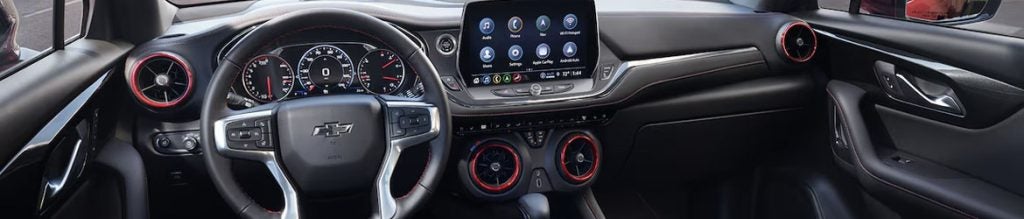
There are many benefits to getting a new Chevrolet vehicle, from its powerful performance to its comfortable interiors. However, one of the biggest benefits is the vast amount of multimedia options available thanks to the Chevrolet MyLink system. Our team at Seminole Chevrolet GMC wants to share the highlights of this system, along with some of the best apps you can get through it to improve your driving experience. What's Chevrolet MyLink? Chevrolet MyLink is the touch-screen infotainment system above your Chevy vehicle's radio. Through this infotainment system, you can access a range of features, such as playing your favorite media or getting turn-by-turn navigation. One of the great benefits of the Chevrolet MyLink system is that you can load different apps into it, expanding its capabilities to suit your personal preferences. Through the Chevrolet MyLink, you can customize your driving experience to make it more enjoyable and safer. Android Auto and Apple CarPlay Thanks to Android Auto and Apple CarPlay integrations, you can easily connect your smartphone to the Chevrolet MyLink system. When you do so, you can take advantage of many of the apps already on your phone so that you don't have to download them directly to the Chevrolet MyLink system. For example, once you connect your phone, you'll be able to use voice commands to send text messages, load the current audiobook you're listening to, or stream from your preferred music app. OnStar In addition to using the apps on your smartphone, you can also download apps directly to the Chevrolet MyLink system. One of the most popular ones on the Chevrolet MyLink system is OnStar. OnStar provides many services, including roadside service, alerting emergency services if you get into an accident, and the ability to locate your vehicle through your mobile phone. OnStar can also provide vehicle diagnostics if you're experiencing a problem while driving and help you find the nearest repair station. It's an excellent feature to have, regardless of whether you're driving around town or out on a road trip. Pandora Internet Radio Pandora is an online radio streaming service. However, unlike traditional radio stations, Pandora creates unique stations based on your interests. All you have to do is tell Pandora your favorite artists, and it'll create a station that plays songs by that artist and similar ones. You can even make multiple radio stations for all your different music tastes. If you like to discover new music and like to have the radio on while you drive, the Pandora music app on the Chevrolet MyLink is an excellent addition to your vehicle. Stitcher Podcasts are another popular form of entertainment while driving. There are thousands of free podcasts out there that cover all sorts of interests. You can use several apps to play podcasts through your vehicle, one of which is Stitcher. The Stitcher app comes standard on the Chevrolet MyLink system, meaning it's ready to go as soon as you get your car. You can search for your favorite podcasts or have Stitcher recommend new ones. With over 100,000 podcasts and radio shows to pick from, you'll have a practically unlimited amount of entertainment while you drive. SiriusXM Satellite Radio SiriusXM is another popular radio streaming service. SiriusXM provides that old-school radio feel but with many more stations to choose from. There are stations dedicated to practically every decade and others dedicated to specific famous artists. If you're a fan of talk radio, there are also stations for news, sports, and much more. You'll need a subscription to their service to use the SiriusXM app in your Chevrolet MyLink. Free trials are often available to see if you like the service before committing to it. Teen Driver The Chevrolet MyLink system offers more than just media apps. There's also the ability to turn on the Teen Driver mode, which helps protect your teenage children as they're driving. Some features of the Teen Driver mode include speed warnings, preventing the disabling of certain safety features, and restricting the music volume to certain levels. It's a fantastic way to encourage safe driving habits, especially when you're not in the vehicle with them. Give yourself some peace of mind the next time your teenager borrows your vehicle by turning on the Teen Driver feature in the Chevrolet MyLink system. Getting Started With Chevrolet MyLink Using the Chevrolet MyLink system in your vehicle is easy to do. One reason for this is that it comes pre-installed with every compatible Chevrolet vehicle so that you don't have to do anything yourself. After that, it's just a matter of connecting your phone to the system or downloading the new apps you want. To connect your phone, you'll first want to make sure that you have Bluetooth enabled on your device. After that, press the "Phone" icon within the Chevrolet MyLink screen, then select the "Pair Device" option. Next, navigate to the Bluetooth menu on your phone and look for a list of available Bluetooth devices. You should see an option called "Chevrolet MyLink." Select this device, then enter the four-digit PIN displayed on your smartphone into the MyLink system. Press the "Yes" button on the MyLink screen, and that's it. You're all set. To download new apps to the Chevrolet MyLink system, you can visit the Chevrolet MyLink App Store. You can access this by selecting the "Shop" icon in your MyLink display. You'll then see hundreds of apps that you can download. Simply select the one you want, and the download process will begin. Buy Your Next Chevrolet Vehicle at Seminole Chevrolet GMC If you want a vehicle with the MyLink system, you'll need one of the latest Chevrolet vehicles. If you live in the Seminole area or just visiting, stop by and visit Seminole Chevrolet GMC to check out all the latest models. Our team would be happy to discuss your options and help you select the perfect Chevy model for your needs. Please contact us today to schedule a visit to our dealership.

GMC Canyon 2023

What Is the Towing Capacity of a 2023 GMC Canyon?

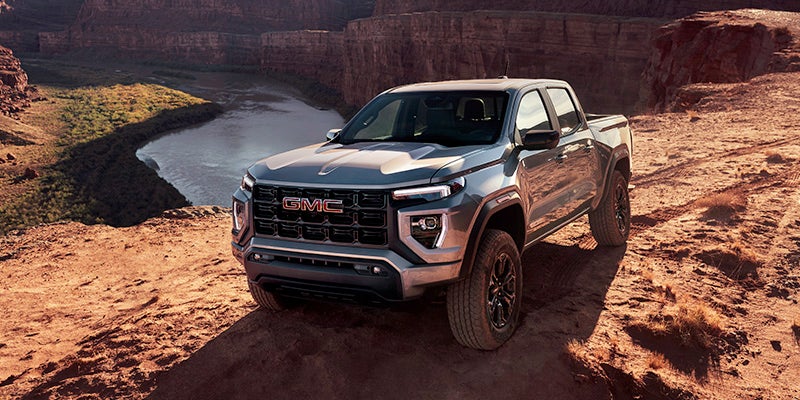
GMC revamped the Canyon Pickup for the 2023 model year, making it bigger, better, and more capable than ever. This new generation of Canyon trucks offers impressive style, a refined cabin, and the latest must-have tech. And it can tow quite a bit too. Because 2023 marks the first model year of a new Canyon generation, we asked our Seminole Chevrolet GMC pickup truck experts to review the different models, describe their towing capacities, and discuss some of their other desirable features. 2023 GMC Canyon Trim Levels, Pricing, and Towing Capacity 2023 GMC Canyon GMC makes the Canyon in four trim levels. Returning, you have the Elevation, AT4, and Denali trims, and then there's the all-new AT4X model that's outfitted for off-road adventuring. Here's a look at the trim levels, pricing, and towing capacity by model: 2023 GMC Canyon Trim 2023 GMC Canyon MSRP GMC Canyon Towing Capacity 2023 GMC Canyon Elevation $36,900 3,500-7,700 pounds 2023 GMC Canyon AT4 $43,900 3,500-7,700 pounds 2023 GMC Canyon Denali $51,000 3,500-7,700 pounds 2023 GMC Canyon AT4X $55,500 3,500-6,000 pounds As you can see, you can achieve a towing capacity of 7,700 pounds on most models, provided the Pro Trailer package is installed. However, the AT4X has more durable components and off-road equipment that add weight to the truck. As a result, the towing capacity is lower in this model. What's New for the 2023 GMC Canyon? We'll get to the AT4X in a minute, but first, let's look at some of the most attractive new features you'll find on the 2023 Canyon models. GMC widened the Canyon's track and gave it a bold new front fascia highlighted by an aggressive grille framed by signature C-shaped LED headlights. Fenders flare over off-road wheels and tires, while the chiseled sides add to the Canyon's athletic profile. You also get an off-road suspension with a 2-inch factory lift. Even the tailgate has been upgraded with a new watertight and lockable storage compartment. 2023 GMC Canyon Elevation Trim Keyless entry lets you into your Canyon and push-button start technology gets the engine running with minimal effort. Elevation models come with premium cloth seats in several colors and an available upgrade to the CoreTec synthetic upholstery. In addition, you get a six-way manually adjusting driver's seat and a four-way manual front passenger seat. The technology in the Elevation includes an 11.3-inch color touch screen with Google Built-In, Wireless Apple CarPlay, Wireless Android Auto, and Bluetooth technology pre-installed. These systems enable you to synch your smartphone and access your favorite apps, make calls, stream playlists, and more using intuitive voice commands. In addition, every Canyon model can turn into a Wi-Fi hotspot that connects several devices within 50 feet. You also get a free trial subscription to OnStar, unlocking even more remote connectivity. The Canyon features an 8-inch color driver information display that you can configure to show important information. You also get a six-speaker audio system and a free trial of SiriusXM satellite radio. A 12-volt power outlet is standard, and you can add a 120-volt outlet as an option. Plus, you get two USB charge and data ports in the front and a third charge-only port in the back seat. 2023 GMC Canyon AT4 Trim Not to be confused with the AT4X, the AT4 does have some similarities. In addition to coming with the same features as the Elevation, you get some upgrades. Previously optional features such as a 120-volt outlet, remote start, and a dual-zone climate control system have become standard. You also get an eight-way power-adjustable driver's seat plus the option for a six-way power front passenger seat. You have your choice of premium cloth or CoreTec upholstery. Other optional equipment includes ventilated front seats, a head-up display, a wireless charging pad, and a heated steering wheel. 2023 GMC Canyon Denali Trim The Canyon's premium trim offers the luxury features that elevate your driving experience, such as quilted leather upholstery with signature Denali stitching. Heated and ventilated front seats come standard, and the rear outboard seats are heated too. The front passenger seat upgrades to a six-way power-adjusting seat, while the driver's seat has two memory positions to recall the seat, steering wheel, and outside mirrors to your presets. A larger 11-inch driver information cluster enables more customizable information to be displayed simultaneously. In addition, GMC adds a Bose seven-speaker audio system, the HD Surround Vision system, GMC's Safety Alert Seat, a wireless charging pad, and a heated steering wheel as standard equipment. 2023 GMC Canyon AT4X Trim GMC engineered the Canyon AT4X trim to handle serious off-road excursions, adding equipment such as a full-locking driver-selectable front differential unit that locks both front wheels to turn in unison for additional traction. You get a beefier 220-amp alternator to handle the other systems and a 3-inch factory lift. Red front recovery hooks come standard, and you can add a winch kit, steel drive shaft, and skid plates for more protection and versatility. Beadlock-capable wheels with optional 33-inch all-terrain tires add impressive off-road performance. 2023 GMC Canyon Powertrain Under the hood, every Canyon has a revised 2.7-liter high-output turbocharged four-cylinder engine and an eight-speed automatic transmission. As a result, this powertrain generates 310 horsepower and 430 lb-ft of torque. The Elevation comes standard with front-wheel drive and the option for four-wheel drive. In addition, the AT4, Denali, and AT4X trims come standard with four-wheel drive. 2023 GMC Canyon Driver-Assist Technology Every GMC Canyon comes with GMC's Canyon Pro Safety package — a suite of driver-assist systems designed to elevate your drive and keep you safe. This includes automatic emergency braking, IntelliBeam automatic headlights, forward collision alert, following distance indicator, front pedestrian and bicycling braking, and lane-keep assist with lane departure warning. An optional Pro Safety Plus package adds rear park assist, rear cross-traffic alert, and a blind-zone steering assist system. In addition, GMC incorporates advanced camera technology and radar to monitor your Canyon's surroundings. When a system detects a potential hazard, it sends visual, audio, and haptic alerts so you can take corrective action. Test Drive a 2023 GMC Canyon in Seminole, Oklahoma We strongly recommend the GMC Canyon if you want to upgrade your ride to a capable and stylish pickup. Seminole Chevrolet GMC has an expansive inventory of Canyon trucks in all trims at competitive prices. We invite you to browse our virtual inventory or visit our North Milt Phillips Avenue dealership for a personal demonstration.

2023 GMC Sierra 2500

2023 GMC Sierra 2500 HD Trim Levels

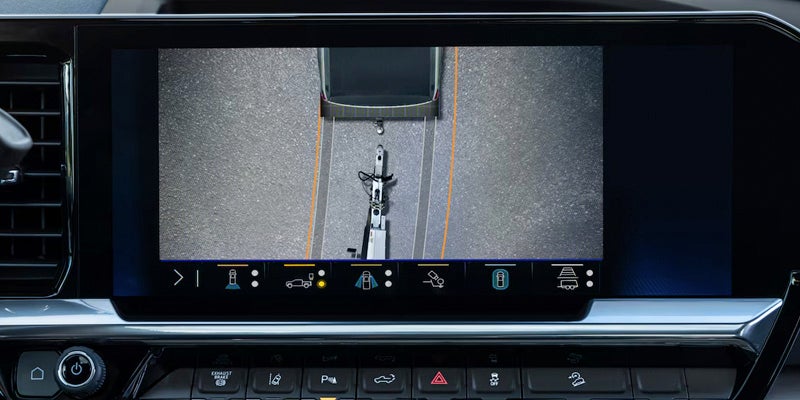
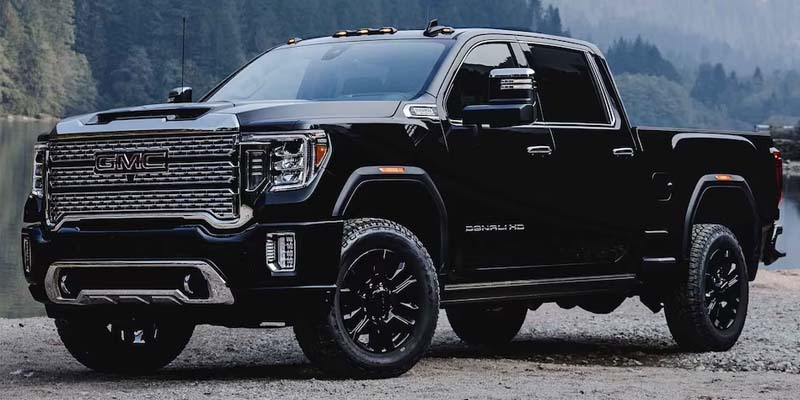
If you need a heavy-duty pickup truck for work or recreation, you can't go wrong with the 2023 GMC Sierra 2500 HD. It's a little more compact than the 3500 version while still offering significant power and versatility. Even better is that this model is available in five trim levels, which is just enough to provide variety without making your purchase overwhelming. Here at Seminole Chevrolet GMC, we're ready to make your decision even easier by comparing the five 2023 GMC Sierra 2500 HD trims. Read on to discover their key features and learn which trim suits your preferences. 2023 GMC Sierra 2500 HD Pro 2023 GMC Sierra 2500 HD As the new 2023 GMC Sierra 2500 HD's most basic trim, the Pro has key features that make it an ideal work truck. It has the same standard 6.6-liter V-8 gas engine that the other trims have, meaning it can produce up to 401 horsepower and 464 lb-feet of torque. If you prefer a diesel engine, you can opt for the 6.6-liter Duramax Turbo-Diesel V-8 engine to get up to 445 horsepower and 910 lb-feet of torque. Another standard feature is the six-speed, heavy-duty electronically controlled automatic transmission, though you can opt for Allison 10-speed automatic transmission. The Pro has available integrated power take-off (PTO) for the Allison transmission, which features smooth shifting performance and auto grade braking. As a basic trim, it lacks the standard features you get with other trim levels. For instance, the Pro is the only trim that has the GMC MultiPro tailgate as an available feature instead of a standard feature. It includes six distinct functions that streamline the loading and unloading of cargo. For instance, the inner gate folds down for easy access while the load stop prevents items from sliding out of the bed. 2023 GMC Sierra 2500 HD SLE While the SLE is still one of the more basic 2023 GMC Sierra 2500 HD trims, subtle upgrades allow it to stand out from the Pro. You'll appreciate the upgrade from standard 17-inch steel-painted silver wheels to 17-inch aluminum wheels. Other key exterior features include black power-adjustable vertical trailering mirrors, body-color door handles, deep-tinted glass, and stainless-steel beltline moldings. When you look inside, you'll notice that it upgrades the Pro's 3.5-inch diagonal monographic Driver Information Center to a 4.2-inch diagonal color Driver Information Center. Similar to the Pro, the SLE has several standard safety features for your peace of mind, such as hitch guidance, LED daytime running lamps, a rear vision camera, and a tire pressure monitoring system. You'll appreciate the OnStar and GMC Connected Services capability, which is available for the SLE and the trim levels above it. These trims also include three years of these services to help you understand their full value. An available camera in the center high mount stop lamp (CHMSL) provides an elevated view of the truck bed from the back of the cab. The image appears on the infotainment display so you can quickly check cargo. 2023 GMC Sierra 2500 HD SLT As a mid-level trim, the 2023 GMC Sierra 2500 HD SLT continues to add features to offer drivers and their passengers a more comfortable ride. Dual-zone automatic climate control is standard and ensures the system automatically maintains the selected temperatures for the driver and front passenger. Another standard feature is remote start, which allows you to start the truck from a distance so you can step into the perfect temperature. When you have the SLT's keyless open and start fob in your possession, you can lock the doors and start the truck without taking the fob out of your pocket. You might want to opt for the SLT trim if you want to streamline the process of hitching your trailer. Hitch guidance with hitch view is a standard feature that displays a guideline on the rear vision camera view when you're reversing. You can also use this camera to check the trailer connection. 2023 GMC Sierra 2500 HD AT4 Those planning on trucking through especially rough terrains might opt for the AT4 trim. One example of a feature that helps this truck withstand the elements is the standard skid plates. These metal sheets help protect the front underbody, oil pan, differential case, and transfer case from the toughest conditions. The standard Autotrac two-speed transfer case with push-button controls allows you to switch between two- and four-wheel drive, making it easy to customize the amount of power your wheels get. Some drivers choose to upgrade the AT4 by opting for the Premium Plus package. Key exterior features include 20-inch machined aluminum wheels with high-gloss black accents and a high-clearance step for easy entry. Additionally, you can choose from HD surround vision with two trailer view camera provisions, a multicolor 15-inch diagonal head-up display, and a Bose premium sound system. 2023 GMC Sierra 2500 HD Denali The most advanced 2023 GMC Sierra 2500 HD trim is the Denali. With a starting manufacturer's suggested retail price (MSRP) that's nearly $25,000 more than the Pro's MSRP, the Denali has several premium features that justify the cost. For instance, consider its standard HD surround vision that uses multiple cameras to display a digital overhead image of your truck's surroundings. The standard universal home remote feature embodies convenience by activating devices like garage door openers and security systems from inside your truck. If you want to customize your 2023 GMC Sierra 2500 HD even further, you can opt for a Denali Black Diamond Edition or Ultimate package. The former includes key features like trailer tire pressure monitor sensors and an auxiliary trailer camera. Those who get the Ultimate package can enjoy a multicolor 15-inch diagonal head-up display and power sunroof. Whether you're looking for something simple like the Pro or something decked out like the Denali, the 2023 GMC Sierra 2500 HD is sure to have a trim that suits your needs. If you have more questions about trims or want advice based on your preferences, contact Seminole Chevrolet GMC today. Our team can also help you schedule a test drive and connect you with affordable financing so you can start driving your new truck as soon as possible.

Contact Us

Fill out this form below and we'll contact you shortly
*Required Fields