




Blog / Car Tips

How Do I Know How Much My Truck Can Tow

How Much Can a Truck Tow?

When determining how much your truck can tow and how much you are towing, there are many factors you need to consider.  Let's start by just looking at the information you'll need to know about your truck.

What your truck can tow:

  1. Manufacturer Specifications:  Many manufacturers will place a sticker on the inside of the driver's doorjamb that will give you GVWR (Gross Vehicle Weight Rating) and GAWR (Gross Axle Weight Rating).  You can often also find the information inside the owner's manual.  Many manufacturer's owner's manuals will have a chart with different truck configurations to help you determine the correct weight ratings for your truck.  If you do not know how the truck is equipped, it will be difficult to determine the correct information though.
  2. Vehicle Equipment:  As seen above, it's important to know any packages or added equipment your truck may have to determine the correct weight ratings.  Some trucks will also come equipped with towing packages that could include features such as upgraded suspension, cooling systems, transmission coolers, or braking enhancers.  These features can increase the towing capacity of the truck beyond the base specifications.
  3. GVWR (Gross Vehicle Weight Rating):  GVWR is the maximum allowable weight a vehicle or trailer can hold when loaded with people and/or cargo.  You want to ensure that the weight on your truck or trailer does not exceed the GVWR amount for either.  You also want to remember that GVWR and towing capacity are not the same thing.  GVWR is the total amount of weight put on the truck's frame, axle, and tires.  Towing capacity also takes into consideration the horizontal stress put on a tuck's frame from the trailer.
  4. GAWR (Gross Axle Weight Rating):  GAWR is the maximum amount of weight a particular axle can support.  The front and rear axils generally have different ratings.  The tongue weight of a trailer and cargo, or load, weight will be mainly supported by the rear axle.
  5. Braked and Un-braked Towing Capacity:  Some trailers come with a braking system that can be wired to the vehicle.  This allows the trailer brakes to be applied at the same time as the truck brakes are when you press the brake pedal.  This is important to know because braking is what limits the towing capacity of a truck the most. Trucks can tow more than their towing capacity shows but lack the ability to safely stop.  A trailer with brakes can increase towing capacity simply by giving the truck more stopping power.
  6. Trailer Hitch:  Regardless of how big or powerful your truck is, towing will be limited by the hitch you have.  Hitches vary by class and go from a Class I to a Class V.  A Class I is able to tow up to  2,000 lbs. and a Class V is able to tow up to 20,000 lbs.

So, determining how much weight your truck can tow takes a lot of different information.  Not only do you need to know the GVWR and GAWR, but you also need to know the weight limits on the hitch you are using.  Once you know all this information, it's all about the load you are carrying and towing.  Next, let's take a look at calculating the weight you are putting on the truck.

How Much You are Towing

  1. Payload:  Payload contributes to the overall gross vehicle weight of the truck and will affect the truck's ability to tow.  The payload includes all the passengers, fuel in the truck, and cargo that is inside of it.
  2. Tongue Weight:  Tongue weight is the downward force that is placed on the hitch by the trailer and its contents.  The payload of the trailer will affect tongue weight, and can be managed by distributing your load in the trailer, to maintain proper towing balance and stability.    In general, you can figure the tongue weight at 10% to 15% of the weight of your trailer, but to be certain, you can always go to a scale to get an exact number.

Always remember to take into consideration the weight of passengers and fuel when doing your calculations for the weight being put on your truck.

If you're looking for a truck to suit your towing needs, give us a call or stop today at Seminole Chevrolet GMC.  With our inventory of New and Pre-owned Silverados and Sierras we have the truck to get the job done.  Whether your looking for a Light Duty or Heavy Duty Silverado you'll find it at Seminole Chevrolet GMC, your number one spot for Seminole auto sales.
Posted in:

Related Posts

Chevy Tire Replacement

Chevy Tire Replacement Guide for Seminole, OK Drivers

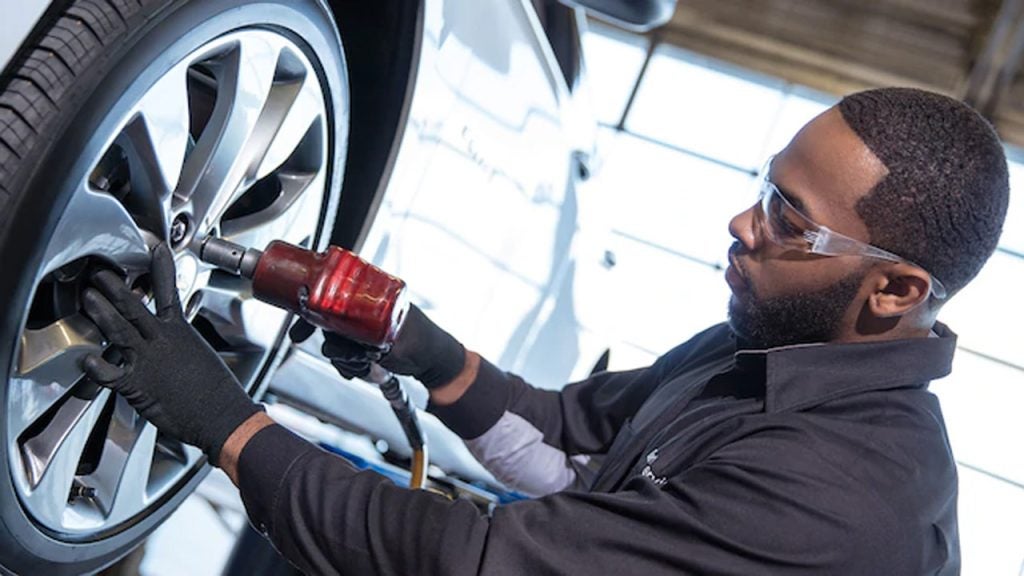
Why Regular Tire Maintenance Matters Tires are the unsung heroes of your vehicle, ensuring safety, optimal performance, and even fuel efficiency. For Chevy owners in Seminole, Oklahoma, understanding when and how to replace your tires is essential. Proper tire maintenance not only extends the life of your vehicle but also enhances your driving experience. Whether you frequently navigate city streets or rocky rural roads, keeping your tires in top condition is non-negotiable. more Signs It's Time for a Tire Replacement Tread Wear and Depth One of the most critical indicators that you need a Chevy tire replacement is tread wear. Tires with less than 2/32 of an inch of tread depth are considered unsafe. Uneven wear patterns can also signal alignment or suspension issues. Regularly checking your tread depth with a tread depth gauge, or even a penny test, ensures you're driving safely, especially on wet or slippery roads common in Seminole, Oklahoma. Cracks and Bulges Over time, tires can develop cracks or bulges due to age, exposure to extreme temperatures, or road hazards. These imperfections such as bald spots, sidewall blisters and bulges, or deep cracks, compromise the tire's structural integrity and increase the risk of blowouts. If you notice any visible damage, schedule a tire service in Seminole, Oklahoma immediately to avoid potential accidents. Frequent Air Loss If you're frequently refilling your tires with air, it might be time for a replacement. Persistent air loss can indicate a puncture, valve stem issue, or general tire degradation. Addressing this promptly ensures optimal performance and fuel efficiency for your Chevy vehicle. Choosing the Right Tires for Your Chevy Match Your Driving Needs Chevy offers a range of vehicles, from rugged trucks like the Silverado to family-friendly SUVs like the Equinox. Selecting the right tires depends on your driving habits and the local terrain. For instance, all-season tires are ideal for year-round use, while winter tires provide extra grip during colder months. OEM Recommendations Always refer to Chevrolet's Original Equipment Manufacturer (OEM) recommendations when selecting new tires. These guidelines ensure compatibility and performance tailored to your specific model. Whether you drive a Chevy Bolt EV or a Tahoe, following OEM specs guarantees the best results. The Importance of Professional Tire Service in Seminole, OK While some drivers may attempt DIY tire replacements, professional service ensures accuracy and safety. Certified technicians at Seminole Chevrolet use advanced tools to mount and balance tires correctly. They also inspect related components like brakes and suspension to ensure your vehicle operates at peak performance.

Chevy Tire Service in Seminole, OK

The Importance of Chevrolet Tire Service in Seminole, OK

Ensuring your vehicle is in top condition involves more than routine oil changes or brake inspections. One vital yet often overlooked aspect of car maintenance is tire care. Chevrolet tire service is essential to maintaining your vehicle's safety, performance, and efficiency—especially for drivers in Seminole, OK, who may face varying road conditions and weather. more Why Chevrolet Tire Service Matters Tires are your vehicle’s only contact point with the road, making their care crucial. Regular Chevrolet tire service ensures your tires wear evenly, maintain proper traction, and deliver optimal handling. Whether you drive a Chevrolet Silverado for heavy-duty tasks or an Equinox for family trips, tire maintenance directly impacts your driving experience. During a Chevrolet tire service at Seminole Chevrolet, technicians inspect tire tread depth, check for uneven wear, and ensure proper alignment and rotation. These services not only extend tire life but also improve your vehicle's fuel economy—a benefit every driver can appreciate. Key Benefits of Regular Tire Maintenance Safety First Worn or improperly inflated tires can compromise your vehicle’s ability to grip the road, especially during wet or icy conditions. Chevrolet tire service includes checks for cracks, punctures, and tread wear to ensure your tires are road-ready. For drivers in Seminole, OK, where unpredictable weather can occur, this is particularly important. Enhanced Performance A smooth ride depends on well-maintained tires. Chevrolet models like the Traverse or Camaro are engineered for performance, and keeping your tires in top shape ensures you experience the ride quality they’re designed to deliver. With regular tire rotations and balancing, you’ll enjoy responsive handling and reduced vibration. Cost Savings Over Time Replacing tires prematurely due to neglect can be costly. Regular Chevrolet tire service helps you get the most out of your investment by extending the life of your tires. Additionally, properly inflated and balanced tires reduce fuel consumption, saving you money at the pump. When to Schedule Chevrolet Tire Service Recognizing when your tires need attention is key. If you notice uneven wear, decreased traction, or your vehicle pulling to one side, it’s time for a check-up. Chevrolet recommends tire rotation every 7,500 miles or as specified in your owner’s manual. However, local factors like Seminole, OK’s roads and climate can influence these intervals. At Seminole Chevrolet, certified technicians are equipped to handle all your tire needs, from rotations and balancing to alignments and replacements. They use Chevrolet-approved tools and procedures to ensure your vehicle meets factory standards. Trust Seminole Chevrolet for Expert Tire Care Choosing where to service your Chevrolet is as important as the service itself. At Seminole Chevrolet, you’ll find a team of trained professionals dedicated to keeping your vehicle safe and performing at its best. Conveniently located in Seminole, OK, the dealership offers comprehensive Chevrolet tire service tailored to your specific model. Chevrolet tire service is more than routine maintenance; it’s a commitment to your safety, vehicle performance, and cost savings. For drivers in Seminole, OK, regular tire checks and maintenance are crucial for navigating local roads with confidence. Visit Seminole Chevrolet today to ensure your tires—and your vehicle—are ready for the journey ahead.

Certified Chevy Brake Service

Chevy Certified Brake Service at Seminole Chevrolet

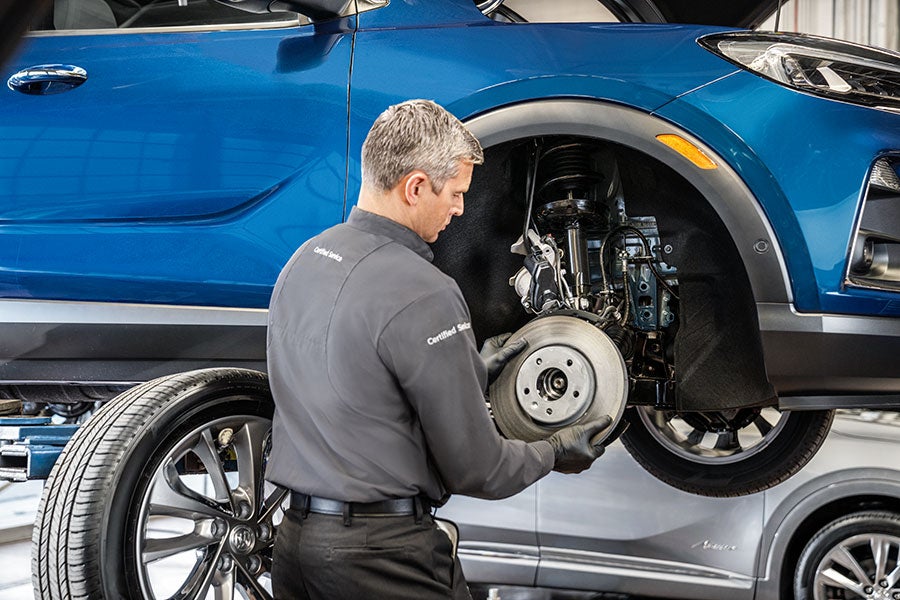
Brakes are the one system you don’t want to “get by” with. When they feel right, you barely think about them. When something is off, you notice fast, usually at the worst time: a sudden slow-down, a tight turn into a parking lot, or a quick stop on a busy road. At Seminole Chevrolet, our Certified Service experts focus on keeping your Chevrolet’s braking system working the way it was designed to work. That means looking beyond a quick pad swap mentality. It’s about consistent stopping power, predictable pedal feel, and parts and procedures that make sense for your exact vehicle. If you’re already hearing a noise or feeling something unusual, start here: brake service and repair. more Brake service for Seminole area driving Driving around Seminole and the surrounding area can be a mix of everyday errands, school pick-ups, and stop-and-go stretches where brakes do a lot of work. Add in heat, sudden weather changes, and the way Oklahoma roads can vary from smooth to rough in a single trip, and it’s easy to see why brakes wear in different ways for different drivers. That’s one reason we take a full-system approach. Stopping power depends on more than just friction material. It’s the whole braking system working together, and regular service helps keep that system ready. Brake warning signs worth taking seriously A lot of brake issues start small. The problem is they rarely stay small. Here are common signs your Chevrolet may need brake service: Chirping, squealing, or whistling when braking Shaking or vibration when stopping Grinding sounds that get worse the longer you wait Those symptoms don’t automatically tell you what part needs attention, but they do tell you it’s time for an inspection. When you catch wear early, you often have more options and a smoother repair experience. What a certified brake visit can include Brake service isn’t always a single repair. Depending on what we find, the visit may focus on inspection, maintenance, or component replacement. Our Certified Service approach is built around careful checks and clear next steps. During a visit, we may evaluate braking components, look for uneven wear, and confirm everything is operating properly and as designed. If you like the idea of your brakes being checked as part of a broader health snapshot, our team also offers a multi-point inspection process that includes brakes among other key items. You can learn more through our Service Department. Brake pad monitoring and what your vehicle may tell you Some Chevrolet vehicles are designed to help you spot brake wear before it becomes a bigger issue. Your vehicle may be equipped with Brake Wear Indicators, and some models may also have a Brake Pad Life Monitor that uses sensors to estimate brake pad wear. When it’s time, you’ll get a prompt that service is needed. Even with monitors, it’s still smart to pay attention to feel and sound. Warning signs like squealing or shaking are your vehicle’s way of asking for a closer look. Why quality brake components matter You’re not just buying “brakes.” You’re buying confidence every time you slow down. When it’s time for replacement components, our Certified Service experts can help you choose quality parts intended to keep your braking system in optimal condition. We work with GM Genuine Parts and ACDelco parts, which are described as the only Original Equipment and aftermarket parts backed by General Motors. That matters because braking is a system. Fit, consistency, and component compatibility can influence noise, feel, and long-term performance. We aim for a result that feels right after the first drive, not something that needs a second visit to chase down. When it makes sense to schedule brake service If you’re the type who prefers clear triggers, here are a few good reasons to set an appointment: You’re noticing any of the warning signs above Your vehicle indicates brake service is needed You’re about to take a longer drive and want peace of mind Brakes feel different than they used to, even if you can’t describe it perfectly You don’t need the perfect explanation. “It feels off” is enough. We’ll take it from there. Schedule Chevy Certified brake service at Seminole Chevrolet If you want your braking system inspected and serviced by Certified Service experts, we make scheduling straightforward. Start with schedule service online Prefer to read through brake-specific info first? Visit brake service and repair If you like checking for current service promotions before you book, take a look at service offers When you schedule, add a quick note about what you’re noticing (noise, vibration, soft pedal feel, or warning message). That small detail helps our team prepare for a more efficient visit.