





Blog / GM Certified Pre-owned

Blog

All GM Certified Pre-owned New Inventory Seminole Chevrolet Dealer Social Car Tips 2025 Chevy Lineup Local Chevy SUVs Chevy Trucks Service Seminole Buick Dealer Pre-Owned Inventory Seminole Chevrolet Buick GMC Service Chevrolet Safety Features New GMC SUV Used Cars 2025 Chevrolet Trax 2025 GMC Lineup 2026 Chevrolet Silverado 1500 2026 Chevy Traverse Community Events Finance GMC Lineup Silverado Towing 2025 Chevrolet Equinox 2025 Chevy Tahoe 2026 Chevrolet Colorado Chevy Colorado Chevy EVs Chevy Safety Features Chevy Summer Service Chevy Tahoe GMC Trucks Seminole Used Cars Silverado Max Trailering Silverado Trailering Trade in Values 2024 Chevrolet Silverado 2025 Chevrolet Malibu 2025 Chevrolet Silverado 1500 2025 Chevrolet Suburban 2025 Chevy Blazer 2025 Chevy Blazer EV 2025 Chevy Colorado 2025 Chevy Silverado EV 2025 Equinox 2025 GMC Acadia 2025 GMC Canyon 2025 GMC Sierra 2026 Chevrolet Blazer 2026 Chevrolet Trailblazer Chevrolet Oil Change Chevrolet Summer Service Chevy Sedans Chevy Suburban GMC Pro Safety GMC Pro Safety Plus GMC Safety Features GMC Sierra EV GMC Terrain News Seminole Buick Service Seminole Chevrolet GMC Sierra Towing Sierra Trailering Used Car Values

Understanding the Difference Between FWD, AWD, RWD, and 4x4 in Your New Chevy

When shopping for a new Chevy, understanding the differences between various drivetrain options can help you choose the perfect vehicle for your needs. Whether you’re considering a family SUV, a powerful truck, or a sporty sedan, knowing whether to go with Front-Wheel Drive (FWD), All-Wheel Drive (AWD), Rear-Wheel Drive (RWD), or 4x4 can make all the difference in your driving experience. Front-Wheel Drive (FWD) Front-Wheel Drive is one of the most common drivetrain configurations, particularly in sedans, crossovers, and some SUVs. In a FWD vehicle, the engine's power is directed to the front wheels. This setup offers several advantages: Efficiency: FWD vehicles tend to be more fuel-efficient, as they are typically lighter and have fewer mechanical components than other drivetrains. Traction: FWD provides better traction when driving on wet or slippery roads because the weight of the engine sits over the front wheels, improving grip. Cost-Effective: Vehicles with FWD are generally less expensive to manufacture, which often translates to a lower purchase price. However, FWD may not perform as well in off-road conditions or under heavy loads, making it more suitable for daily commuting and light-duty use. All-Wheel Drive (AWD) All-Wheel Drive is a versatile option that provides power to all four wheels, either full-time or on-demand. This system is popular in a wide range of vehicles, from compact SUVs to performance cars. Key benefits include: Enhanced Traction: AWD improves traction on various surfaces, including wet, icy, or unpaved roads, making it a great choice for drivers who encounter diverse driving conditions. Balanced Handling: AWD offers balanced handling and stability, which is especially beneficial in adverse weather conditions or when navigating winding roads. Convenience: Modern AWD systems automatically adjust the distribution of power between the front and rear wheels, so drivers don’t need to engage or disengage the system manually. While AWD improves safety and handling, it usually comes at a higher cost and may slightly reduce fuel efficiency compared to FWD. Rear-Wheel Drive (RWD) Rear-Wheel Drive is traditionally found in sports cars, trucks, and larger SUVs. In a RWD vehicle, the engine sends power to the rear wheels, providing a distinct driving experience: Performance: RWD is favored for its superior handling and acceleration, especially in performance-oriented vehicles. It offers a more dynamic driving experience, with better balance and weight distribution. Towing and Hauling: RWD is ideal for vehicles that need to tow or carry heavy loads, as it provides better traction under heavy loads compared to FWD. Durability: RWD systems are generally more robust, making them well-suited for work trucks and vehicles that endure rough driving conditions. However, RWD may not perform as well in slippery or icy conditions, making it less ideal for regions with harsh winters. 4x4 (Four-Wheel Drive) Four-Wheel Drive, commonly referred to as 4x4, is specifically designed for off-road driving and heavy-duty use. Unlike AWD, which is generally automatic, 4x4 systems often require the driver to engage the system manually: Off-Road Capability: 4x4 systems are engineered for rugged terrain, offering superior traction in mud, snow, sand, and rocky landscapes. Heavy-Duty Performance: If you need to tow a heavy trailer, haul equipment, or venture into off-road environments, 4x4 is the best option. Control: Many 4x4 vehicles allow drivers to choose between different modes, such as 2WD, 4WD High, and 4WD Low, giving you more control based on the driving conditions. The trade-off for these benefits is that 4x4 vehicles can be heavier, less fuel-efficient, and more expensive than their AWD or FWD counterparts. ​Which Drivetrain is Right for You? Choosing between FWD, AWD, RWD, and 4x4 depends on your driving needs, environment, and preferences. For daily commuting and cost-effective ownership, FWD may be your best bet. If you often face varying road conditions, AWD provides a balanced solution. RWD is the go-to for performance enthusiasts and those needing to tow or haul. For the ultimate off-road and heavy-duty capability, 4x4 is the clear winner. At our Chevy dealership, we offer a wide range of vehicles with each of these drivetrains. Visit us today to explore our inventory and find the perfect Chevy to match your lifestyle!
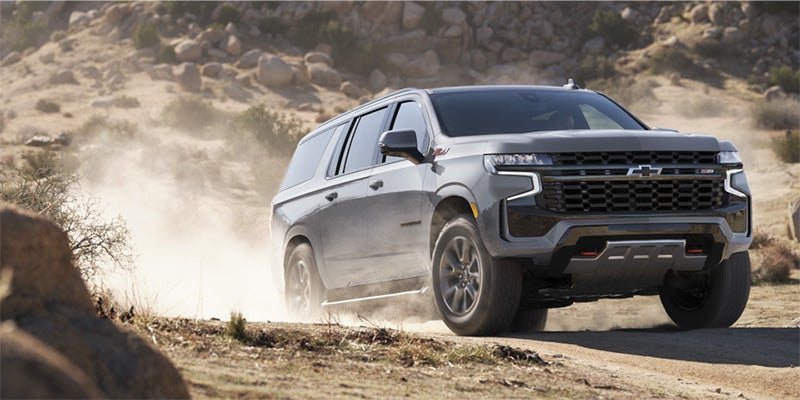
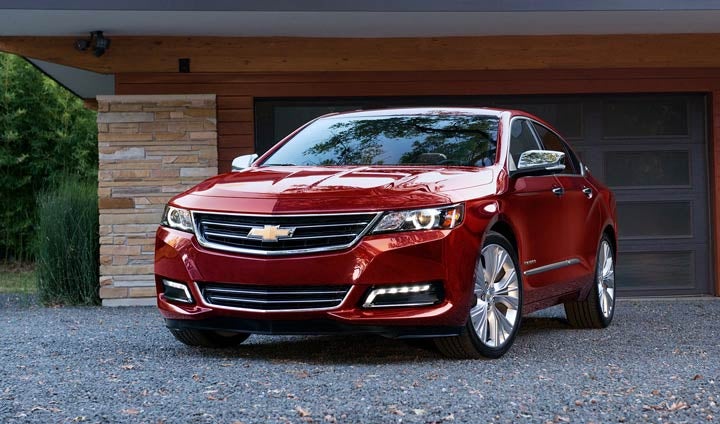
CPO VS USED

Certified Pre-owned (CPO) -vs- Used Cars

What's the difference: Certified Pre-owned (CPO) -vs- Used Cars With so many companies and dealers using words like Certified Pre-owned, Certified Used and (Insert Dealer Name Here) Certified Used Car it can get confusing as to what each means and are you getting what you know as a Certified Pre-owned Car.  If you've read the benefits of buying a Certified Pre-owned Car, also known as a CPO, then you want to be sure that is what you are buying and not a used car someone is just putting a title on to confuse buyers.  Here is a quick breakdown of what to look for so you can be confident in the vehicle you are purchasing. What is a Certified Pre-owned Vehicle? How does a used Car become a Certified Preowned? What is included in a GM Certified Pre-owned Warranty? Advantages of a GM Certified Pre-owned: What is a Certified Pre-owned Vehicle(CPO)? Everything starts with the manufacturer, so the first indication that a vehicle you are looking at is actually a Certified Pre-owned Vehicle is that what ever Make (Chevrolet, GMC, Buick, Ford, etc.) that vehicle is can only be sold by the same manufacturer dealership.  In our case, Seminole Chevrolet GMC, we can only Certify GM vehicles.  We can sell any make of used car, but only a GM product can be Certified here.  So if you are looking at a Dodge at a Toyota store and they are using the word certified in talking about it, then you can be sure that it is not actually a Certified Pre-owned Vehicle but just a name they are giving to it.  Certified Pre-owned Vehicles are backed by the Manufacturer and have to meet certain manufacturer requirements to receive that title. How does a Used Car become a Certified Pre-owned Vehicle(CPO)? We can't just take any GM used car and say that it is a GM Certified Pre-owned, the car has to meet certain requirements. Less than 6 model years old and less than 75,000 miles Has a clean vehicle title. The vehicle passed our 172-point vehicle inspection. Any safety recalls have been completed. If you are looking at a different Certified Pre-owned make be sure to check that makes year and mileage requirements because they will vary.  All Certified Programs to my knowledge will have the same requirements for a clean title.  This means that the vehicle you are purchasing can not have a salvaged or rebuilt title and the vehicle can also not have been a manufacturer buyback for any reason.  The inspection process will also differ from manufacturer to manufacturer, but you can be sure that the inspection process for any Make will be thourough in order for that vehicle to be Certified.  Once the vehicle makes it through Certification the Manufacturer will back it with a Certified Pre-owned Warranty. What's included in a Certified Pre-owned Warranty? As with everything else we're talking about here you always want to check with the manufacturer of the vehicle you are looking to purchase since the CPO program for ever manufacturer varies.  For a GM Certified Pre-owned vehicle you have the following Certified Pre-owned Warranty coverages: 12-Month/12,000 Mile Bumper-to-Bumper Limited Warranty 6-Year/100,000 Mile Powertrain Limited Warranty The12 Month/12,000 mile Bumper-to-Bumper Limited Warranty is in addition to any original factory bumper-to-bumper warranty that the vehicle may have remaining at the time of purchase.  Meaning that if the GM vehicle you are purchasing has 1 year or 10,000 miles remaining, the CPO Bumper-to-Bumper will start when that year is up or you drive another 10,000 miles, whichever comes first. The 6-Year/100,000 Mile Powertrain Limited Warranty is from the original in service date of the GM vehicle you are purchasing.  So, if the vehicle is 4 years old with 60,000 miles on it, then you would have 2-years and 40,000 miles left on the CPO Powertrain limited Warranty.  Of course in the case of both warranties you can purchase extended coverages at a lower price than on a typical used car because there is some CPO Warranty coverage that exist. Additional Benefits of Buying a Certified Pre-owned Vehicle: Another benefit of buying a CPO vehicle is reliability.  While a CPO is not quite as reliable as a New vehicle, it should be no surprise that a CPO vehicle is more reliable than its used vehicle counterpart.  With the rigorous inspection process that goes into a GM Certified Pre-owned vehicle they should be more reliable.  A study by Consumer Reports found that a CPO vehicle has 11% more problems over the lifetime of the car than a vehicle bought Brand New, but a used vehicle as 31% more problems than the same New Vehicle.  Another reason you want to be sure your buying an actual Certified Pre-owned Vehicle if that is what you are looking for. GM also offers these additional benefits to its customers purchasing a GM Certified Pre-owned Vehicle: Scheduled Maintenance Program Roadside Assistance Courtesy Transportation Limited trial of Onstar Safety and Security Plan and Connected Services 3-Month Sirius XM trial subscription 3-Day/150 Mile Exchange Policy The scheduled maintenance program includes 2 maintenance visits done within 2 years and 24,000 miles and can be performed at any GM Dealer.  The Roadside Assistance and Courtesy Transportation is good for the duration of the Powertrain limited warranty, and the roadside assistance is provided by Allstate.  Eligible vehicles receive 1-month of Premium Plan coverage, inclusive of the Onstar Safety & Security Plan and the Connected Vehicle Plan. A GM Certified Pre-owned Vehicle (CPO) provides the confidence that comes with knowing your vehicle is covered by a long list of great benefits you won't get with a basic used car, truck, or SUV.  Now you can dream about the journey ahead, instead of worrying about what's coming down the road.  Drive with peace of mind in your new GM Certified Pre-owned vehicle.

Contact Us

Fill out this form below and we'll contact you shortly
*Required Fields