



Blog / Car Tips

Blog

All Car Tips New Inventory Seminole Chevrolet Dealer Social 2025 Chevy Lineup Local Chevy SUVs Chevy Trucks Service Seminole Buick Dealer Pre-Owned Inventory Seminole Chevrolet Buick GMC Service Chevrolet Safety Features New GMC SUV Used Cars 2025 Chevrolet Trax 2025 GMC Lineup 2026 Chevrolet Silverado 1500 2026 Chevy Traverse Community Events Finance GMC Lineup Silverado Towing 2025 Chevrolet Equinox 2025 Chevy Tahoe 2026 Chevrolet Colorado Chevy Colorado Chevy EVs Chevy Safety Features Chevy Summer Service Chevy Tahoe GM Certified Pre-owned GMC Trucks Seminole Used Cars Silverado Max Trailering Silverado Trailering Trade in Values 2024 Chevrolet Silverado 2025 Chevrolet Malibu 2025 Chevrolet Silverado 1500 2025 Chevrolet Suburban 2025 Chevy Blazer 2025 Chevy Blazer EV 2025 Chevy Colorado 2025 Chevy Silverado EV 2025 Equinox 2025 GMC Acadia 2025 GMC Canyon 2025 GMC Sierra 2026 Chevrolet Blazer 2026 Chevrolet Trailblazer Chevrolet Oil Change Chevrolet Summer Service Chevy Sedans Chevy Suburban GMC Pro Safety GMC Pro Safety Plus GMC Safety Features GMC Sierra EV GMC Terrain News Seminole Buick Service Seminole Chevrolet GMC Sierra Towing Sierra Trailering Used Car Values
Warning Lights

What All the Symbols on Your Car's Dashboard Mean

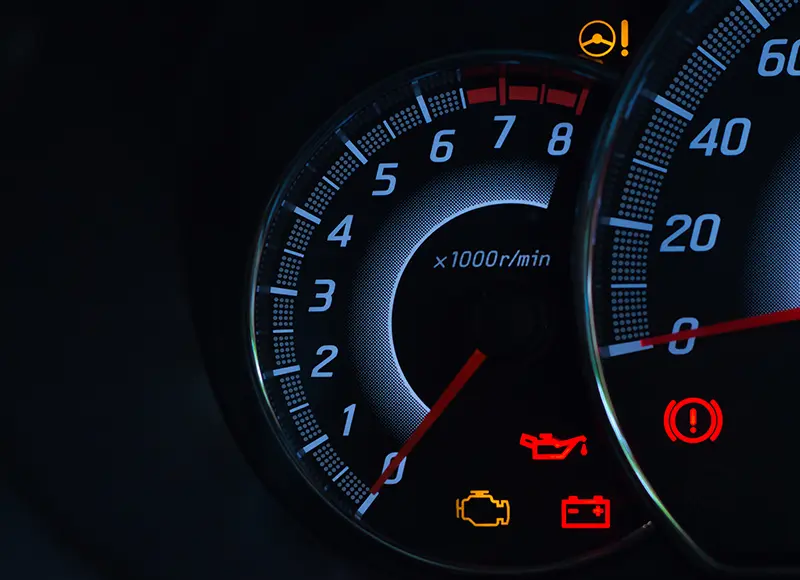
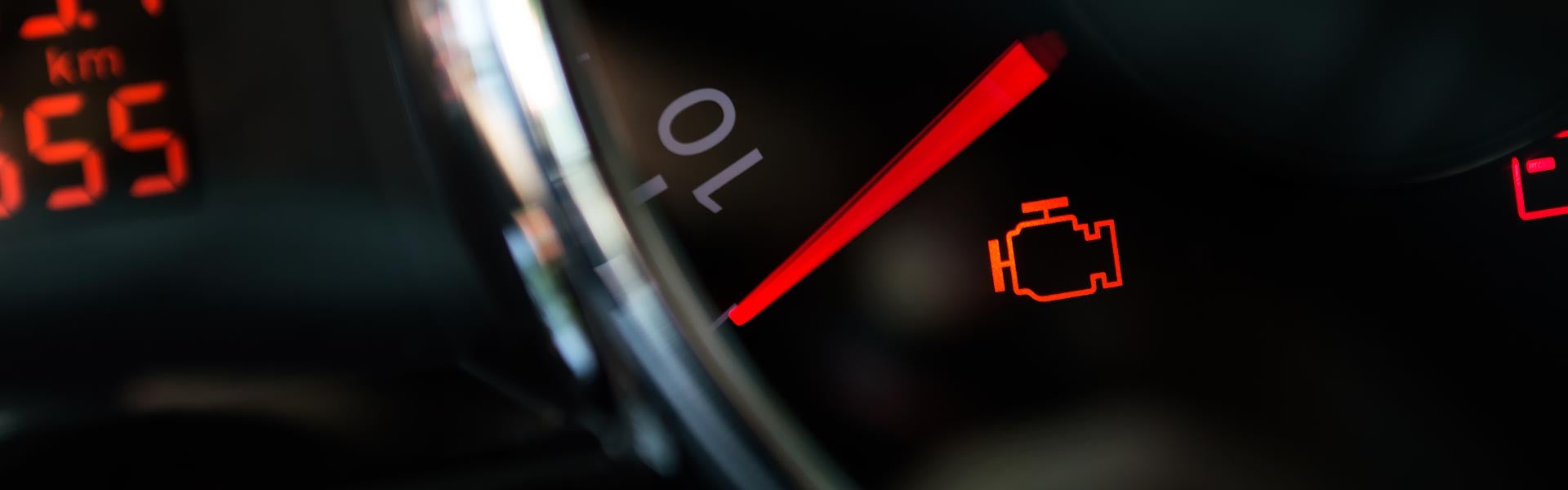
Did the check engine light on your car's dashboard just turn on? If so, you're probably well aware of what it looks like. You might not know what it means, though, and that's because it could indicate any number of things, as it turns on when your car's computer senses a problem somewhere in your vehicle. You'll need to take your car to your local car dealership's service center as soon as possible so they can use a diagnostic computer to read a code revealing what's wrong with it. The check engine light is just one of the many symbols that might light up on your car’s dashboard to indicate an issue. The team at Seminole Chevrolet Buick General Motors Co. (GMC) in Seminole, Oklahoma, has provided this handy guide to help you learn about what the most common symbols on your car's dashboard mean. OIL PRESSURE WARNING LIGHT Your car contains oil that lubricates all the moving parts found in its engine. If your vehicle is ever running low on oil or if its oil pump isn't working properly, you might see the oil pressure warning light turn on. This isn’t a light you'll want to ignore for very long. If you drive around in your car without enough oil getting to its engine, it could lead to serious engine troubles. You should arrange to have your car looked at right away to get oil flowing through its engine again. TIRE PRESSURE WARNING LIGHT Your car has a tire pressure monitoring system in it that keeps an eye on how much air is in each of its tires. If the tire pressure ever falls below a certain level, the tire pressure warning light will come on to let you know that you need to fill one or more of the tires up with air. You should try to put air in the tires sooner rather than later since a lack of air can affect your car's fuel economy and potentially lead to damage to its tires. ENGINE TEMPERATURE WARNING LIGHT While the oil in your car is probably the most critical fluid found in it, the engine coolant comes in a close second. It's responsible for making sure that your car’s engine doesn't overheat. If your car’s engine temperature warning light ever pops up, it'll be a sign that its engine coolant is either leaking or not doing its job and that its engine is getting too hot as a result. You’ll want to pull your car over immediately since continuing to drive without enough coolant could wreak havoc on your car’s engine. ABS WARNING LIGHT If you're ever forced to slam on your brakes for one reason or another, the ABS will spring into action to stop your brakes from completely locking up on you. The ABS warning light coming on will indicate that your ABS isn't operating as it should. This could be a safety hazard, so you'll want to drive your car to a service center immediately to get your ABS back in good working order. BATTERY ALERT LIGHT At first glance, you might think the battery alert light is a sign that your car’s battery is about to die, and this could very well be the case. But it could also suggest that you have a loose battery cable, an alternator on its last legs, or even a fault in your car's electrical system. Whatever the case, you’ll need to have your car’s battery inspected before you continue driving. AIRBAG INDICATOR LIGHT Most cars on the road today have a series of airbags in them that are strategically positioned throughout a vehicle to protect drivers and passengers in the event of a crash. If you spot your airbag indicator light come on, it'll let you know that you have either a single airbag that isn't working or an entire airbag system that's gone down. This could put you in real danger if you happen to get into an accident, so you shouldn't hesitate to arrange to have your airbags fixed. BRAKE WARNING LIGHT If the brake warning light appears on your car's dashboard, the first thing you should do is check to see if your parking brake is engaged. If it is, disengaging it should shut this light right off. If, however, the light is still on after you’ve disengaged the parking brake, you might have a problem with your car's braking system. And because the brakes are such an important part of your vehicle, you’ll need to schedule service before you keep driving around in a car with bad brakes. TRANSMISSION TEMPERATURE WARNING LIGHT Although there are a couple of other very serious warning lights on this list, this one might be the most serious of the bunch. If your car's transmission temperature warning light comes on, you'll need to pull it over immediately because it'll mean its transmission is overheating. You should arrange to have your car towed to the nearest service center so that you can get its transmission inspected to figure out why it's overheating at this time. SEAT BELT REMINDER LIGHT When you first climb into your car and start it up, you'll see the seat belt reminder light illuminate. It'll then usually stay on until you put your seat belt on. Most people have gotten into the habit of putting their seat belts on after getting into their cars, but it never hurts to get a reminder from this light. Wearing a seatbelt could save your life if you're ever involved in a car crash. CONTACT OUR SERVICE CENTER IF YOU SEE ANY SYMBOLS ON YOUR CAR'S DASHBOARD When your car is running like it's supposed to, you shouldn't see any symbols lit up on its dashboard. This will indicate that your vehicle has a clean bill of health and shouldn't have anything wrong with it. But if you see any of the warning lights listed here, it'll be a different story. You'll need to have your car worked on right away to get it running like normal again. The service center at Seminole Chevrolet Buick GMC can lend a hand if you need help repairing your car after seeing a symbol show up on its dashboard. Touch base with us today to schedule repairs for your car at our service center in Seminole, Oklahoma.

Why You Should Consider Buying a Used Car

When you're in the market for a quality used vehicle, you may wonder if a used one is a right choice. There are many questions and unknowns that come with buying a previously owned vehicle, such as the car's history, condition of the engine, return on investment, and more. Purchasing a new vehicle can be very enticing, mainly because, well, you're getting a brand-new car. While there can be some drawbacks to buying used, we believe there are quite a few advantages that can provide you with a first-rate vehicle at a much more affordable price. Let's look at some of the many benefits of purchasing a new-to-you vehicle from Seminole Chevrolet Buick GMC. Save Money Buying Used The first, and usually the number one, reason people buy used over new is to save money. It's no surprise that purchasing a used car is more affordable than buying a new one. You're also extending your wallet even further by getting more for your money with a used vehicle. Previously owned cars, trucks, vans, and SUVs often include additional upgrades you wouldn’t have purchased if you bought that same car fresh out of the factory. Enjoy Lower Depreciation Speaking of brand-new cars, did you know that the moment you drive a new vehicle off the lot, it has already depreciated? The minute you drive away with your new car, it is no longer considered new and doesn't hold the same value you paid minutes ago. If you decided to return your new car the next day, you'd probably not receive the same amount you bought it for a day earlier. Consider Certified Pre-Owned If a warranty is what you're looking for in a new vehicle, consider buying a certified pre-owned. These vehicles are required to pass a comprehensive inspection and meet the following requirements: Six years old or less No more than 75,000 miles Clean vehicle history Pass a 172-point inspection that includes exterior, interior, undercarriage, and engine bay Several of our certified pre-owned vehicles include some amazing benefits, such as roadside assistance, a scheduled maintenance program, and additional warranties. Save On Insurance Costs There's more than the price tag to consider when it comes to saving money when you purchase a used car. You'll also save on insurance costs. Insurance rates are typically based on the driver's age, driving history, credit score, location of residence, and the car's mileage. Another determining factor is the car's value. Used cars have less value than new ones, resulting in lower insurance payments. You can also save on your rates depending on the type of insurance you carry on your used vehicle. In Oklahoma, residents are required to carry a minimum amount of coverage. These requirements include: Bodily injury liability coverage at $25,000 per person and $50,000 per accident Property damage liability coverage at $25,000 Uninsured motorist bodily injury coverage at $25,000 per person and $50,000 per accident Many finance companies and lenders require car owners to carry comprehensive collision coverage also when taking out a loan for a new car. This extra coverage will only increase your insurance rates. Pay Less in Registration Fees Oklahoma requires each vehicle to be registered with the Oklahoma Department of Motor Vehicles. Registration fees are similar to insurance rates. If you have an older vehicle rather than a new one, your registration fees will also be lower. Oklahoma vehicle registration fees are as follows: $96 for years one through four $86 for years five through eight $66 for years nine through 12 $46 for years 13 through 16 $26 for years 17 and up Enjoy a Long-Lasting Vehicle With advancements in the vehicle industry, most used cars last much longer than they did in previous years. Vehicles can now run for an average of 12 years, especially if maintained and repaired regularly. Where most cars used to show signs of serious wear and tear around 100,000 miles, car manufacturers are now building vehicles to last up to 200,000 miles and beyond. With the availability of data and easy access to a car's history, you can quickly discover just how long the specific vehicle you're thinking of buying will most likely last. Finance Used Cars With Ease When it comes to financing your used car, many dealerships are more than willing to assist. Some even work with local lending institutions, such as community banks or credit unions, to finance your used car. They handle the entire financing process from start to finish and can explain the finance agreement using simple and easy-to-understand terms. Many auto dealerships offer special financing specifically for people who have poor credit or are working on improving their credit. At Seminole Chevrolet Buick GMC, we do our best to find a financial and payment plan that works within your budget and with your credit history. We've listed some of the more common reasons for buying a used vehicle, but there are many more, including: Savings on sales tax and dealer fees No extra spending on premium features Extensive selection of various makes and models Reliable vehicles in quality condition Avoiding hidden fees Availability of reviews from used car owners And many more With a used car, truck, van, or SUV from Seminole Chevrolet Buck GMC, you can drive off the lot with the peace of mind that you’ve saved money on buying an affordable vehicle without sacrificing quality or style. We also buy used cars and offer maximum value in return. When you sell us your used car or truck, it'll offset the price of your next new-to-you vehicle, saving you even more money. Don't wait any longer to find your next used or certified pre-owned vehicle from us. Check out our online inventory or stop by our lot today. You can also contact us today at 405-748-0171. We'll be happy to talk to you more about purchasing a used car and do our best to help you find a vehicle that is perfect for you, your family, and your budget.

Driving Used Car

Why You Should Consider Buying a Used Car

When you're in the market for a quality used vehicle, you may wonder if a used one is a right choice. There are many questions and unknowns that come with buying a previously owned vehicle, such as the car's history, condition of the engine, return on investment, and more. Purchasing a new vehicle can be very enticing, mainly because, well, you're getting a brand-new car. While there can be some drawbacks to buying used, we believe there are quite a few advantages that can provide you with a first-rate vehicle at a much more affordable price. Let's look at some of the many benefits of purchasing a new-to-you vehicle from Seminole Chevrolet Buick GMC. Save Money Buying Used The first, and usually the number one, reason people buy used over new is to save money. It's no surprise that purchasing a used car is more affordable than buying a new one. You're also extending your wallet even further by getting more for your money with a used vehicle. Previously owned cars, trucks, vans, and SUVs often include additional upgrades you wouldn’t have purchased if you bought that same car fresh out of the factory. Enjoy Lower Depreciation Speaking of brand-new cars, did you know that the moment you drive a new vehicle off the lot, it has already depreciated? The minute you drive away with your new car, it is no longer considered new and doesn't hold the same value you paid minutes ago. If you decided to return your new car the next day, you'd probably not receive the same amount you bought it for a day earlier. Consider Certified Pre-Owned If a warranty is what you're looking for in a new vehicle, consider buying a certified pre-owned. These vehicles are required to pass a comprehensive inspection and meet the following requirements: Six years old or less No more than 75,000 miles Clean vehicle history Pass a 172-point inspection that includes exterior, interior, undercarriage, and engine bay Several of our certified pre-owned vehicles include some amazing benefits, such as roadside assistance, a scheduled maintenance program, and additional warranties. Save On Insurance Costs There's more than the price tag to consider when it comes to saving money when you purchase a used car. You'll also save on insurance costs. Insurance rates are typically based on the driver's age, driving history, credit score, location of residence, and the car's mileage. Another determining factor is the car's value. Used cars have less value than new ones, resulting in lower insurance payments. You can also save on your rates depending on the type of insurance you carry on your used vehicle. In Oklahoma, residents are required to carry a minimum amount of coverage. These requirements include: Bodily injury liability coverage at $25,000 per person and $50,000 per accident Property damage liability coverage at $25,000 Uninsured motorist bodily injury coverage at $25,000 per person and $50,000 per accident Many finance companies and lenders require car owners to carry comprehensive collision coverage also when taking out a loan for a new car. This extra coverage will only increase your insurance rates. Pay Less in Registration Fees Oklahoma requires each vehicle to be registered with the Oklahoma Department of Motor Vehicles. Registration fees are similar to insurance rates. If you have an older vehicle rather than a new one, your registration fees will also be lower. Oklahoma vehicle registration fees are as follows: $96 for years one through four $86 for years five through eight $66 for years nine through 12 $46 for years 13 through 16 $26 for years 17 and up Enjoy a Long-Lasting Vehicle With advancements in the vehicle industry, most used cars last much longer than they did in previous years. Vehicles can now run for an average of 12 years, especially if maintained and repaired regularly. Where most cars used to show signs of serious wear and tear around 100,000 miles, car manufacturers are now building vehicles to last up to 200,000 miles and beyond. With the availability of data and easy access to a car's history, you can quickly discover just how long the specific vehicle you're thinking of buying will most likely last. Finance Used Cars With Ease When it comes to financing your used car, many dealerships are more than willing to assist. Some even work with local lending institutions, such as community banks or credit unions, to finance your used car. They handle the entire financing process from start to finish and can explain the finance agreement using simple and easy-to-understand terms. Many auto dealerships offer special financing specifically for people who have poor credit or are working on improving their credit. At Seminole Chevrolet Buick GMC, we do our best to find a financial and payment plan that works within your budget and with your credit history. We've listed some of the more common reasons for buying a used vehicle, but there are many more, including: Savings on sales tax and dealer fees No extra spending on premium features Extensive selection of various makes and models Reliable vehicles in quality condition Avoiding hidden fees Availability of reviews from used car owners And many more With a used car, truck, van, or SUV from Seminole Chevrolet Buck GMC, you can drive off the lot with the peace of mind that you’ve saved money on buying an affordable vehicle without sacrificing quality or style. We also buy used cars and offer maximum value in return. When you sell us your used car or truck, it'll offset the price of your next new-to-you vehicle, saving you even more money. Don't wait any longer to find your next used or certified pre-owned vehicle from us. Check out our online inventory or stop by our lot today. You can also contact us today at 405-748-0171. We'll be happy to talk to you more about purchasing a used car and do our best to help you find a vehicle that is perfect for you, your family, and your budget.

Warning Lights

What Are The Most Important Vehicle Maintenance Tips?

Car ownership is a huge responsibility. In addition to making monthly payments, you need to make sure your vehicle is in top-notch condition. Doing so will allow you to operate it longer and sell or trade it in at a premium price. At Seminole Chevrolet Buick GMC, we recommend following these important vehicle maintenance tips. You have the choice of performing them on your own or scheduling an appointment with our service department. Your Best Friend: The Owner's Manual You may be thinking that your vehicle’s owner's manual is boring and a complete waste of your time. While it's not necessary to read the entire manual, it’s in your best interest to become familiar with the maintenance needs of your particular vehicle. It’s suggested you review the maintenance schedule and add the recommended tasks to your calendar. Remember, you want your car to be in the best shape possible. Referring to the owner's manual will help make that happen. Monthly Maintenance Part of keeping your car or truck in good condition is taking care of tasks that may seem insignificant. These small yet important maintenance duties are essential to having a clean car that runs well while avoiding larger, more expensive problems. Clean Your Windshield After a long road trip, your windshield may look like it's been in the middle of an insect war. A windshield that is full of bugs, debris, and dirt, can quickly obstruct your view of the road. Depending on how often you drive, you may want to clean your windshield every time you stop at the gas station. Otherwise, giving it a good shine twice a month will keep your eyes on the road and not the bug battle that's happening on your windshield. Check Tire Pressure Checking the pressure of your tires can save you money on both repairs and gas. When tires aren’t inflated to the recommended pressure, they become a safety hazard to you and your wallet. Vehicles with the correct tire pressure minimize the chance of getting a flat on the road and maximize your vehicle's fuel efficiency, making that expensive tank of gas you just purchased last much longer. You can find the recommended tire pressure for your specific car in the owner's manual. Inspect Oil Level Motor oil in your engine has an extremely important job. It lubricates all its moving parts preventing them from being damaged due to normal wear and tear. Oil also works as a cleansing agent by capturing combustion byproducts and running them through the oil filter. Without the right amount of oil, your vehicle will experience serious, and costly, damage. Maintenance Every Three Months Preventive maintenance tasks that should be performed every three months are vital to the life of your car. It doesn't matter if your vehicle is brand new or an older model, changing the oil, checking all fluids, and examining belts and hoses can make a huge difference in how well your vehicle operates. Change Oil and Oil Filter You may already know the crucial role that motor oil plays in your car's engine. Not only do you need to inspect the levels each month, but you should also change the oil every three months. An oil filter is a temporary tool that maintains the health of your car's engine between oil changes. Typically every three months or 3,000 miles, both the oil and oil filter need to be replaced. Examine All Fluid Levels In addition to changing the oil, all other fluids in your vehicle should be checked too. Brake fluid, transmission fluid, coolant, and windshield washer fluid are imperative for a car or sport utility vehicle (SUV) to operate smoothly and efficiently. If you choose to take your vehicle to an auto service center for its oil changes, the trained technicians will also check and refill these other fluids. Check Belts and Hoses Belts and hoses are additional components that keep your vehicle in optimal condition. Hoses are responsible for directing coolant to various parts of the engine to prevent overheating. Hoses that are cracked or show damage should be replaced immediately. Well-running belts are also essential to preventing significant car or truck damage. Two of the most common belts, the serpentine and timing, can cause serious damage if they break while driving. Annual Maintenance These annual maintenance tasks are typical for the average vehicle. Be sure to double-check the owner's manual in case they need to be performed sooner rather than later. Rotate Tires As you drive every day, your vehicle's tires begin to form a natural wear pattern. Rotating your tires at least once a year, possibly more if you drive long distances, normalizes this pattern, providing you with a safe and smooth ride. It can also extend the life of your tires, saving you on expensive replacement costs. Change Air Filter Air filters should be changed every 12,000 miles or once a year. An air filter traps dirt, sand, and dust, preventing the engine from getting clogged with debris and contaminants. Replacing it each year protects your engine, increases fuel efficiency, and reduces harmful emissions. Maintenance as Needed Some vehicle maintenance tasks only need to be addressed as various issues arise. When you do notice signs or symptoms of these common repair problems, it’s recommended you schedule an appointment with your mechanic as soon as possible. Watch and Listen for Brake Issues It’s probably not necessary to tell you just how important brakes are to a vehicle. When brakes are beginning to wear, you will typically hear or feel an issue while driving. These are indications that you should, at the very least, have them examined by a professional tire technician. Call a professional right away if you notice any of these signs or sounds: Brakes that feel sponge-like or soft, or if it takes more pressure than usual to stop your vehicle Brake sounds such as squealing, grinding, rattling, or any irregular or inconsistent noises Replace Wiper Blades Just like having a clean windshield, working wiper blades are essential to the safety of you and the passengers in your car. Wiper blades that leave streaks don’t clean well, or scratch the windshield can block your view of the road and make it very difficult to drive safely. Following these important vehicle maintenance tips will keep your car healthy and happy for many years. Contact us today to schedule an appointment. and we'll be happy to expertly maintain your car, truck, van, or SUV.

Finance- Handshake

What Are The Benefits of Trading in Your Vehicle?

When it's time to buy a new car, you probably have quite a few questions. Should you trade in your vehicle so you can put the value toward a new car, should you hold on to your vehicle, or should you sell it to somebody else? These can be tough questions to answer, but you can start by going over your options and learning about their advantages and disadvantages. In particular, trading in your vehicle comes with many benefits. Read on to explore the reasons you might consider trading in your vehicle when you're ready to buy a new one. Trading in Your Vehicle Still Lets You Finance Your Purchase If you want to get a vehicle loan to pay for your next purchase, you can do so while also trading in your vehicle. In fact, you may have more financing options if you do a trade-in because it can help lower your interest rate. You can also trade in your vehicle if you already have a loan. For example, if you have a loan on your current vehicle, you can roll over negative equity into your new loan and continue to pay off just one loan. Any positive equity will roll over into your down payment on your new vehicle. Trading in Your Vehicle Reduces Sales Tax If you trade your vehicle to a dealership, you can expect to pay less on sales tax. In Oklahoma, you should expect to pay a tax of 3.25% on new vehicles. If you buy a used vehicle, you can pay an even lower rate of sales tax, depending on the car's price. With a trade-in, you don't pay sales tax on the value of the vehicle you give to the dealership. For instance, if you buy a brand-new vehicle without a trade-in at $30,000, you can expect to pay sales tax on the full amount. In comparison, if you trade in a vehicle worth $10,000, you can expect to pay sales tax on just $20,000 of the purchase. This saves you a lot of money and perhaps makes trading in your vehicle more financially lucrative than selling it elsewhere. You won't get this benefit if you sell your car to a third party. You'll still have to pay the full tax amount at the dealership, even if you sold your car specifically to pay for your new vehicle. Trading in Your Vehicle Saves Time and Work One of the biggest downsides to trying to sell a car is that it takes time. Even if you have a great car available, there are some situations in which you could struggle to unload your vehicle. For example, you could pay to place ads online, post great photos of the car, and spend hours taking phone calls about the car. You might even spend hours cleaning and detailing your vehicle so that it looks its best. In some cases, people spend hundreds of dollars repairing their vehicles to entice buyers. But at the end of the day, week, or month, it still might not sell quickly. While trying to sell a car may feel like it's taking forever, it's much quicker to simply trade it to a dealership. If you choose to trade your vehicle to the dealer when you buy a new one, the process is as simple as going to the dealership, signing paperwork, and then leaving in your new vehicle. You don't have to do anything special to your car besides remove your personal items. Trading in Your Vehicle Helps You Get Cash on Less-Than-Perfect Cars Even if your vehicle isn't in mint condition, you can get something for it at the dealership. While the appearance of your vehicle may turn away third-party buyers, the dealership might still be interested in your car. It may have plans to repair the car and sell it, send it to the auction, or use its parts. No matter the mileage or cosmetic issues with your vehicle, you should have no problem getting a bit of value in exchange. This also means you don't have to repair your vehicle before you trade it in. In many cases, this saves time and a lot of money. The dealership makes repairs to ensure that the vehicle is ready for purchase in the future, and you can simply take off in your new car. Trading in Your Vehicle Removes Doubts When you accept payment from a third party, you might still have questions about the process. For instance, you may be cautious about taking a check from a stranger. It could be fraudulent, or it could completely bounce, and the other person already has your vehicle and its title. You may have little recourse. When you bring your car to a dealership as part of a trade-in, you get cash you can count on. The value of the car is taken out of the transaction right away, and you never have to worry about fraud or scams that leave you in a worse position. Trading in Your Vehicle May Be the Best Option Right Now If you're trying to figure out what you want to do with your current vehicle, you have a big decision ahead of you. While you may not be sure if you want to trade your vehicle right now, speaking with the dealership can offer more insight into which choice would be most beneficial financially and personally. You may find that the answer isn't necessarily as simple as it appears on the surface. At Seminole Chevrolet Buick GMC, we understand how valuable your vehicle is to you. We also know how important it is for you to feel comfortable with your car's trade-in value. Take a look at our new car inventory and determine which vehicle you might want to purchase next. You may find that the best way to get a new car you love is to trade in your current vehicle. If you have any questions about the trade-in process, give us a call at 405-748-0171 or send us a message today.

Contact Us

Fill out this form below and we'll contact you shortly
*Required Fields